
The Complete Zero Liquid Discharge (ZLD) Guide: How It Works, Stage by Stage
Water has become one of the most valuable inputs for industry. At the same time, pollution control boards across India and around the world are tightening rules on what factories can release into rivers, drains and land. For many industries, the answer to both problems is Zero Liquid Discharge (ZLD): a treatment approach in which no liquid effluent leaves the plant boundary. Every drop of wastewater is either recovered as reusable water or converted into solid waste.
At Aksh Engineering Systems Pvt. Ltd., we design and build evaporation, crystallization and drying systems that make ZLD possible. In this guide, we walk you through the whole journey, from what ZLD means and who needs it, to each treatment stage, the technologies involved, the cost drivers and how to plan a system that works for your plant.
What Is Zero Liquid Discharge?
Zero Liquid Discharge is a wastewater management strategy that eliminates liquid discharge from an industrial facility. Instead of treating effluent just enough to meet discharge norms and then releasing it, a ZLD system:
- Recovers clean water that can be reused in the process, cooling towers or boilers.
- Concentrates the remaining dissolved solids into a small volume of brine.
- Converts that brine into dry solids such as mixed salts or, in some cases, separated salts that can be reused or sold.
In simple terms, what goes in as wastewater comes out as two products: reusable water and dry solids. Nothing liquid goes to the drain.
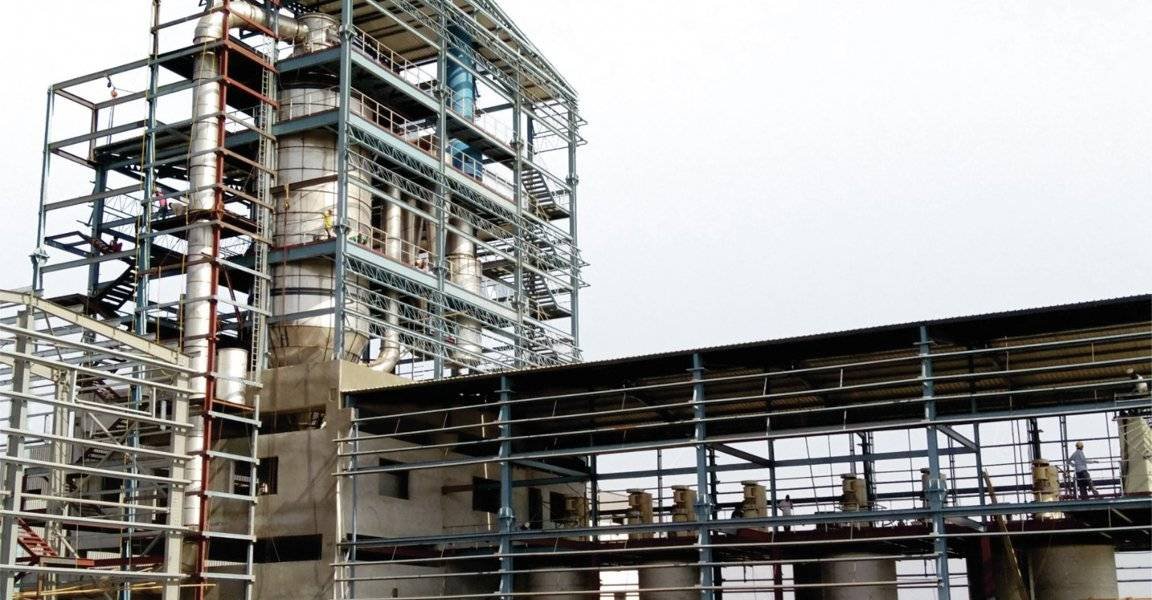
A ZLD plant is not a single machine. It is a chain of treatment steps, each designed to handle a particular part of the job. Aksh Engineering supplies complete ZLD plants that integrate these steps into one engineered system.
Who Needs a ZLD System?
ZLD is most relevant for industries whose effluent is high in total dissolved solids (TDS), colour, organics or hazardous chemicals, and which operate in water-stressed areas or under strict regulations. Common sectors include:
- Textiles and dyeing units, which generate high volumes of coloured, salty effluent.
- Pharmaceuticals and bulk drugs, with complex organic and solvent-laden streams.
- Chemicals, dyes and intermediates, including specialty chemical plants.
- Distilleries and breweries, which produce spent wash with very high organic loads.
- Tanneries and leather processing, with high chloride and chromium content.
- Pulp and paper, fertilizers, refineries and petrochemicals.
- Thermal power plants, particularly for flue gas desulphurization (FGD) and cooling tower blowdown.
- Food processing and dairy, where water reuse is becoming a priority.
In India, pollution control authorities have made ZLD a requirement for many units in categories like these, particularly in sensitive river basins and industrial clusters. Even where it is not mandatory, many companies are adopting ZLD to secure water supply, protect their licence to operate and meet sustainability commitments.
Why ZLD Matters: Key Benefits
Before looking at the technology, it helps to understand what a ZLD plant gives back to the business.
- Regulatory compliance: Eliminates the risk of discharge violations, closure notices and penalties.
- Water security: Recovers a large share of water for reuse, reducing dependence on borewells, municipal supply or tankers.
- Lower freshwater cost: Recycled water reduces the volume and cost of fresh water purchased.
- Resource recovery: Some streams allow recovery of salts such as sodium sulphate or sodium chloride for reuse in the process.
- Environmental protection: Prevents contamination of groundwater, rivers and soil.
- Reputation and market access: Many global buyers, especially in textiles and pharma, now expect suppliers to demonstrate responsible water management.
For a detailed financial view, read our comparison of ZLD vs conventional effluent treatment, which looks at capital cost, operating cost and long-term value.
The ZLD Process: A Stage-by-Stage Walkthrough
Every ZLD system is designed around the specific effluent, but most follow the same basic sequence. Think of it as a journey in which the water gets cleaner and the leftover brine gets more concentrated at every step.
Stage 1: Pretreatment
Raw effluent first goes through conventional treatment to remove suspended solids, oil and grease, hardness, colour and biodegradable organics. Typical pretreatment steps include:
- Screening, oil and grease removal, and equalization to even out flow and quality.
- Physico-chemical treatment such as neutralization, coagulation, flocculation and clarification.
- Biological treatment to reduce BOD and COD.
- Tertiary treatment such as pressure sand filters, activated carbon filters and softening.
Good pretreatment is not optional. It protects downstream membranes and evaporators from fouling, scaling and corrosion. Poor pretreatment is one of the most common reasons ZLD plants underperform.
Stage 2: Membrane Concentration (UF and RO)
Next, the pretreated water passes through membrane systems. Ultrafiltration (UF) removes fine colloids and bacteria, and reverse osmosis (RO) then separates most of the dissolved salts from the water.
RO produces two streams:
- Permeate: Clean water that can be reused in the plant.
- Reject: A smaller volume of concentrated brine.
RO is the most energy-efficient way to remove the bulk of the water, so ZLD designers try to recover as much as possible at this stage. Multi-stage or high-recovery RO systems can push recovery further, which reduces the volume that the more expensive thermal stages must handle.
Stage 3: Thermal Evaporation
RO has a limit. Once the brine reaches a high salt concentration, osmotic pressure makes further membrane separation impractical. From this point, heat takes over.
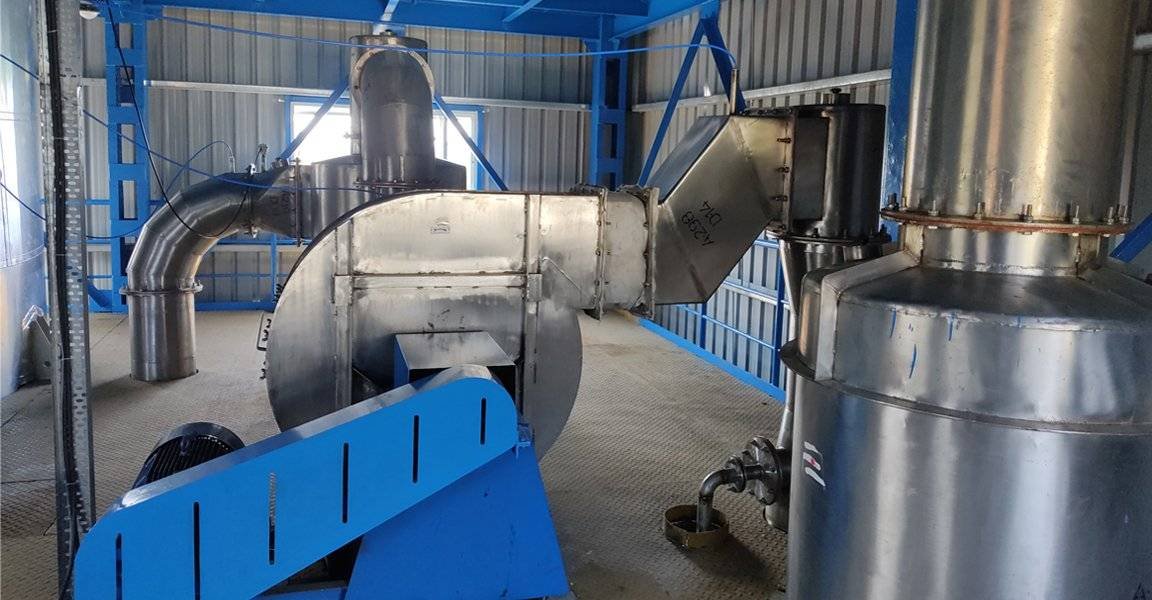
The RO reject is sent to an evaporator, which boils off water and concentrates the brine much further. The vapour is condensed into high-quality condensate that can be reused. Aksh Engineering designs industrial evaporators for this duty, and the main options are:
Multiple Effect Evaporator (MEE). Several evaporator bodies (effects) are connected in series. Vapour produced in one effect is used to heat the next, so one kilogram of steam evaporates several kilograms of water. The more effects, the lower the steam consumption. Our article on multiple effect evaporator vs single effect evaporator explains how the number of effects affects energy use.
Mechanical Vapour Recompression (MVR) Evaporator. Instead of using fresh steam for every effect, an MVR system uses a compressor or fan to recompress the vapour and reuse it as the heating medium. This sharply reduces steam demand and relies mainly on electricity. For plants with high evaporation loads, MVR can significantly reduce operating cost. Learn more in how MVR evaporators cut steam costs.
Forced Circulation Evaporators. These are used at the high-concentration end, where salts start to precipitate. High-velocity circulation keeps crystals suspended and reduces scaling on heat-transfer surfaces.
Evaporators in ZLD service deal with difficult brines that can scale and foul quickly. Proper design, material selection and cleaning practices are essential. See our guide to common evaporator fouling problems and how to prevent them for practical advice.
Stage 4: Crystallization
After evaporation, the brine is close to saturation. A crystallizer continues the evaporation until salts form crystals. The resulting slurry is sent to a centrifuge or filter, which separates the salt crystals from the remaining liquid, known as mother liquor.
In some plants, careful control of temperature and concentration allows selective crystallization of individual salts, such as sodium sulphate and sodium chloride, which can then be reused rather than disposed of.
Stage 5: Final Drying of Mother Liquor
The mother liquor left after crystallization contains highly soluble salts and organics that are difficult to crystallize further. This is the last liquid in the system, and it must be turned into a solid to achieve true zero discharge.
Two technologies are commonly used:
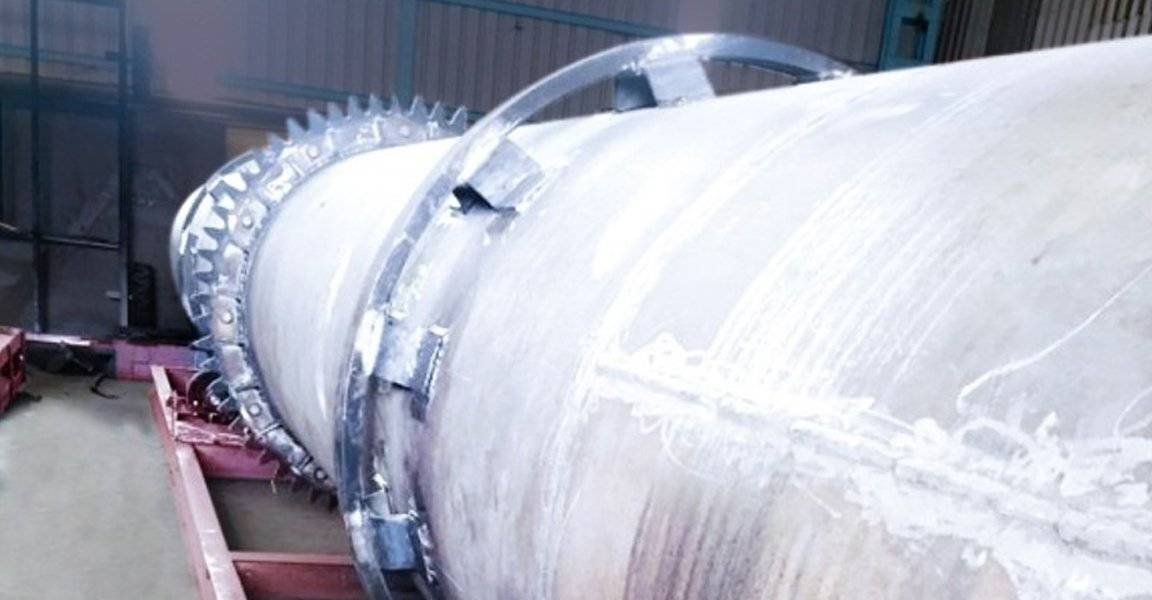
- Agitated Thin Film Dryer (ATFD): A heated cylinder with rotating blades spreads the liquid into a thin film, drying it to a solid powder or flakes.
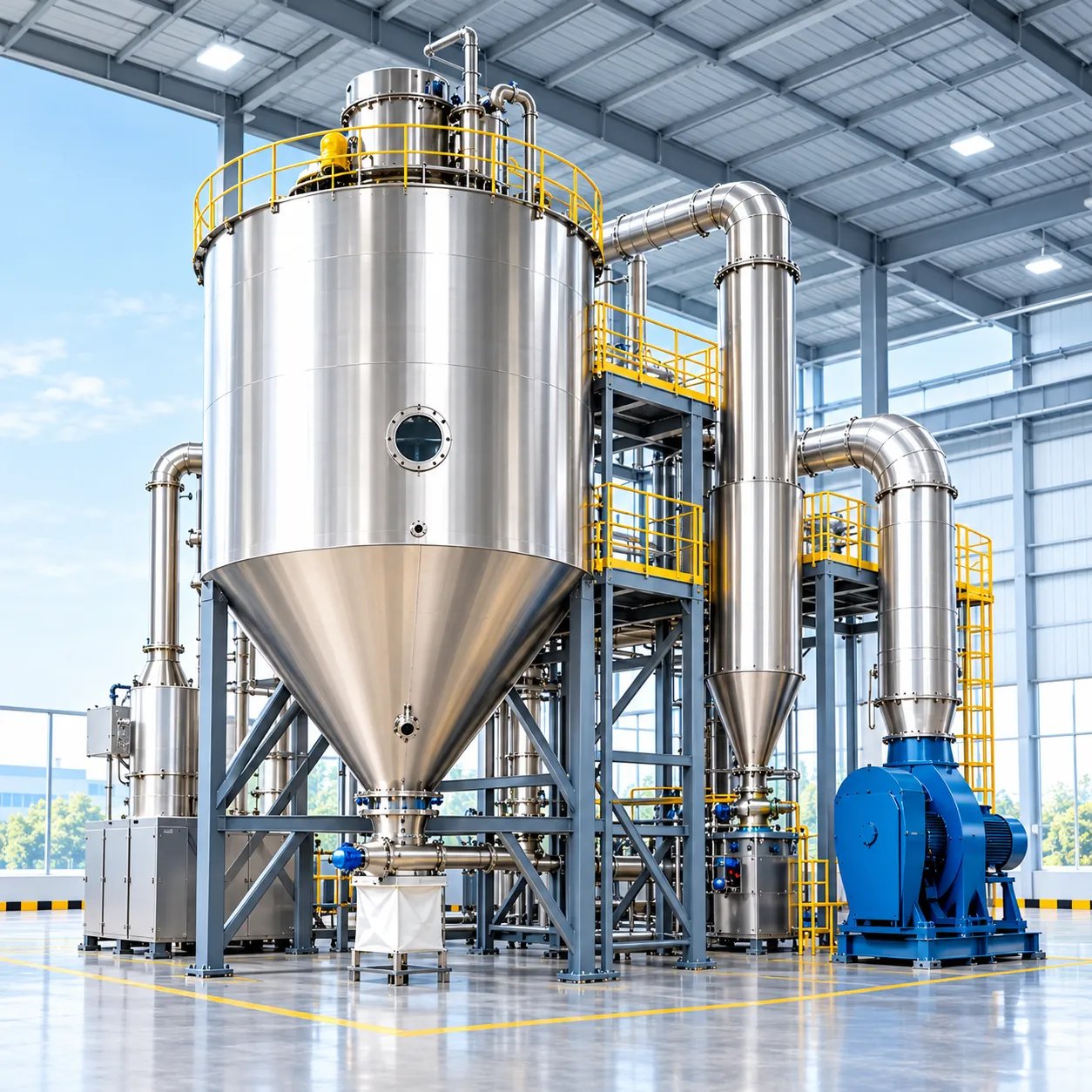
- Spray Dryer: The mother liquor is atomized into a hot air chamber and dried into a powder within seconds.
A spray dryer is a strong choice when the mother liquor volume is significant, when continuous operation is needed, and when a free-flowing dry powder is preferred for handling and disposal. We explore this final stage in more detail in why evaporation and spray drying are the final frontiers for chemical plant compliance.
Stage 6: Solid Waste Handling and Disposal
The dry salts and sludge from the ZLD plant are packed and sent either for reuse (where salt quality allows) or for safe disposal at an authorized treatment, storage and disposal facility (TSDF). Reducing the quantity and improving the quality of solids is an important part of ZLD planning, because disposal costs add up over time.
ZLD at a Glance: The Full Flow
To summarise the journey:
- Raw effluent enters the plant.
- Pretreatment removes suspended solids, organics and hardness.
- UF and RO recover most of the water as permeate.
- Evaporators (MEE or MVR) concentrate the RO reject and recover condensate.
- Crystallizer and centrifuge separate salts.
- ATFD or spray dryer dries the mother liquor.
- Recovered water returns to the process; dry solids go for reuse or disposal.
What Affects the Cost of a ZLD Plant?
ZLD is a significant investment, and costs vary widely from one plant to another. The main factors are:
- Effluent flow rate and TDS: Higher flow and higher salt content mean bigger equipment and more energy.
- Effluent chemistry: Organics, silica, hardness, solvents and chlorides influence pretreatment needs and materials of construction.
- RO recovery: The more water RO recovers, the smaller and cheaper the thermal section.
- Evaporator technology: MEE has lower capital cost but higher steam use; MVR costs more upfront but usually less to run.
- Utility availability and cost: Steam, power and cooling water prices strongly affect the best technology choice.
- Materials of construction: Corrosive brines may need duplex stainless steel, titanium or other special alloys.
- Automation level and solid waste disposal costs.
For a detailed breakdown, see our article on ZLD plant cost in India and what affects pricing.
Common ZLD Challenges and How to Address Them
Even well-designed ZLD plants face practical challenges. Being aware of them early helps you plan better.
High energy consumption. Thermal evaporation is energy-intensive. The best answer is to maximize RO recovery first and then choose efficient evaporation technology such as MVR or a well-designed MEE.
Scaling and fouling. Calcium sulphate, silica and organics can coat heat-transfer surfaces. Good pretreatment, antiscalants, correct velocities and regular cleaning keep this under control.
Corrosion. High chloride brines at elevated temperatures attack ordinary stainless steel. Correct material selection is critical for long equipment life.
Foaming and organics. Effluent with high organic content can foam in evaporators and make crystallization difficult. Organic removal in pretreatment and anti-foam dosing help.
Mother liquor handling. The final liquor is often sticky, hygroscopic and difficult to dry. Choosing the right drying technology and operating conditions is key.
Skilled operation. ZLD plants involve many unit operations. Automation, operator training and good maintenance planning keep the system reliable.
How to Plan a ZLD System for Your Plant
If you are considering ZLD, a structured approach saves time and money:
- Characterize your effluent. Collect representative samples and analyse flow, TDS, COD, BOD, hardness, silica, chlorides, sulphates and specific contaminants.
- Segregate streams. Separating high-TDS and low-TDS streams can reduce the load on the thermal section.
- Reduce at source. Process changes that reduce water use or effluent strength lower the size and cost of the ZLD system.
- Maximize membrane recovery. Design pretreatment and RO to recover as much water as practical before the thermal stages.
- Choose evaporation technology carefully. Compare MEE, MVR and hybrid options based on utility costs and capacity.
- Plan for salt recovery and disposal. Check whether salts can be reused and estimate disposal costs.
- Work with an experienced partner. A supplier who understands evaporation, crystallization and drying together can design a balanced system.
Why Choose Aksh Engineering for ZLD?
Aksh Engineering Systems Pvt. Ltd., based in Ahmedabad, Gujarat, focuses on the thermal and drying end of ZLD, which is where most of the energy and engineering challenges lie. Our sustainability solutions bring together evaporators, crystallization and spray drying in systems designed around your effluent.
We offer:
- Effluent-specific design based on your wastewater analysis and plant conditions.
- Energy-efficient evaporation including multiple effect and MVR configurations.
- Final drying solutions with spray dryers for mother liquor.
- Appropriate materials of construction for corrosive and scaling brines.
- Automation and controls for stable, reliable operation.
- Support from design to commissioning, plus after-sales service.
Conclusion
Zero Liquid Discharge turns wastewater from a compliance burden into a source of recovered water and, sometimes, reusable salts. A successful ZLD plant is a carefully balanced chain: strong pretreatment, high-recovery membranes, efficient evaporation, controlled crystallization and reliable final drying.
Understanding each stage helps you ask the right questions, compare proposals properly and choose a system that keeps your plant compliant while controlling operating costs. If you are planning a new ZLD plant or upgrading an existing one, contact Aksh Engineering Systems to discuss your effluent and requirements.