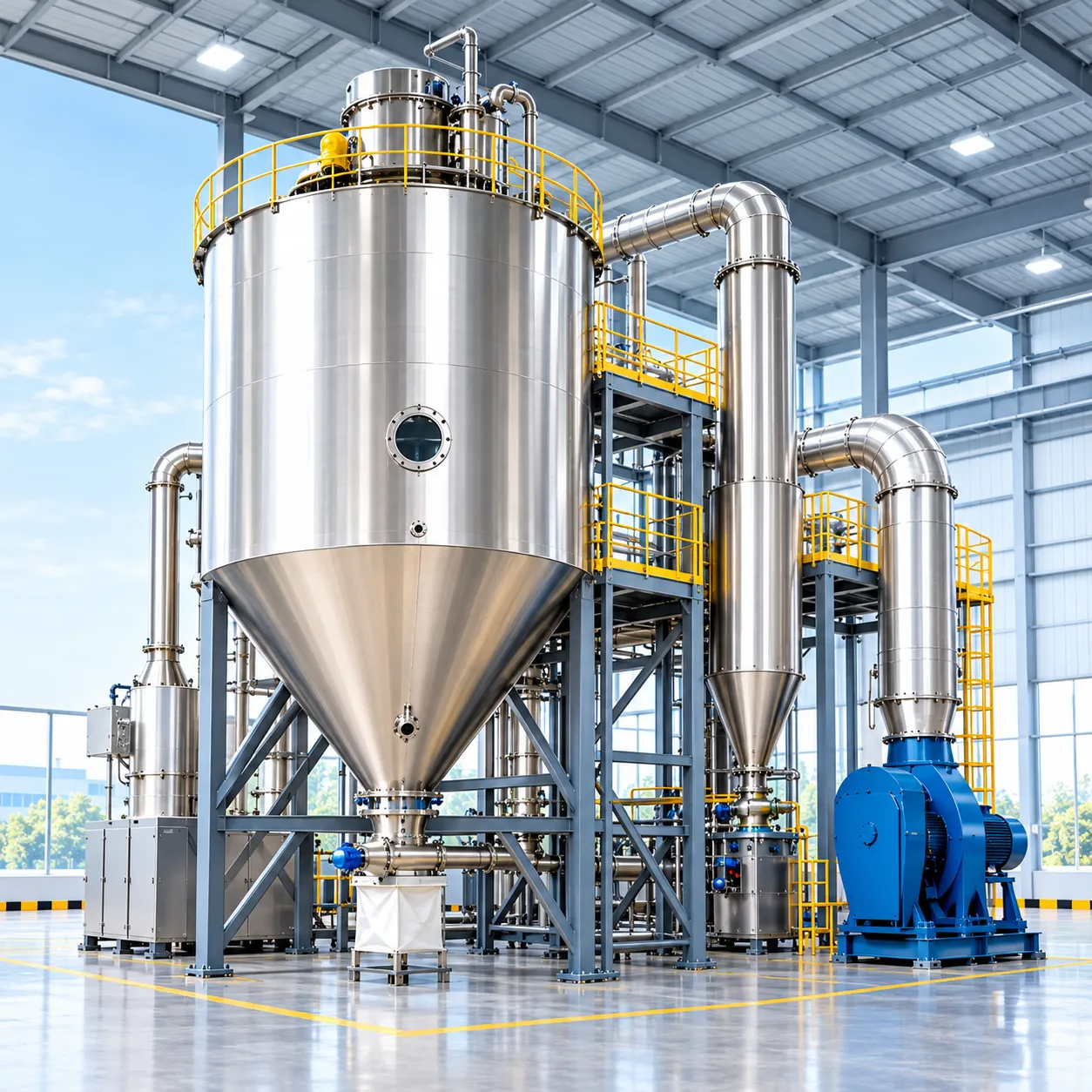
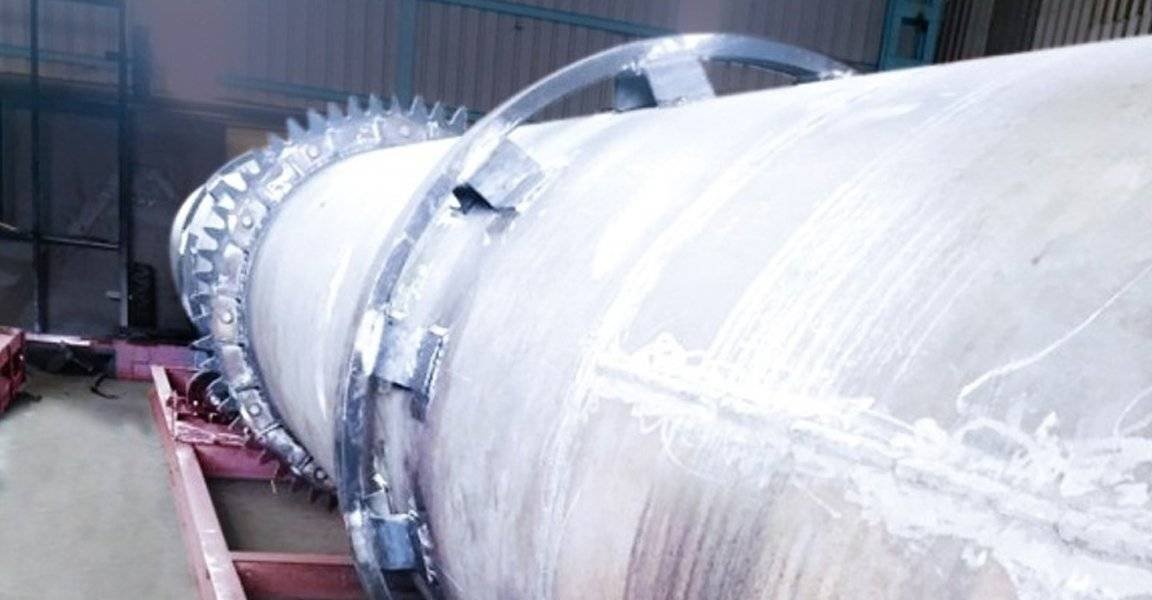
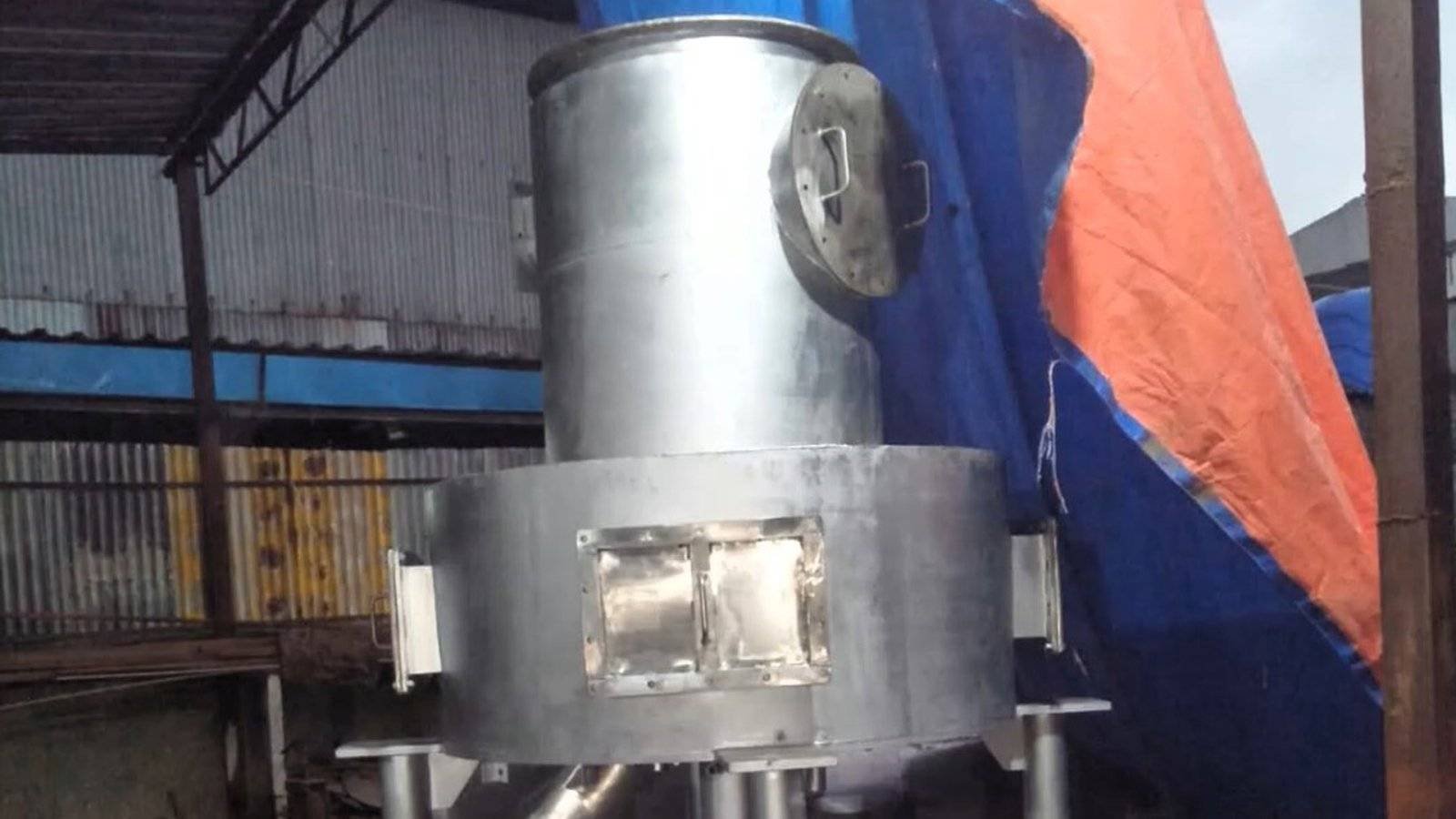
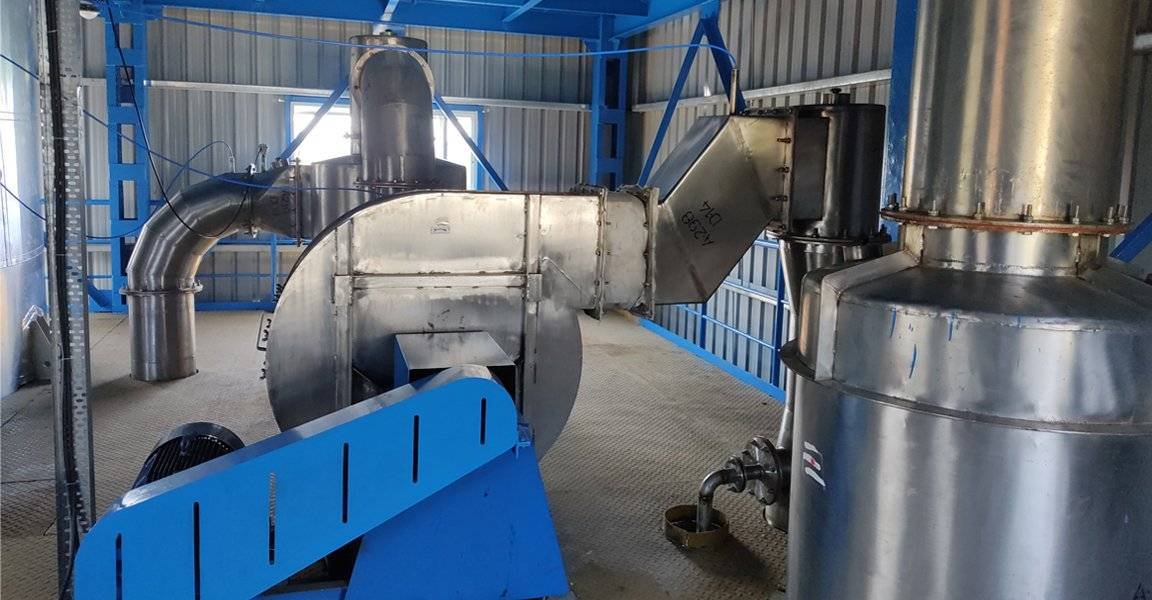

In modern process engineering, industrial thermal drying stands out as one of the most energy-intensive operations. Facilities processing high-moisture filter cakes, sludges, and slurries often face escalating fuel and electricity bills, alongside stringent environmental compliance requirements. Achieving zero-waste drying is no longer just an environmental initiative—it is a direct strategy to cut operating costs and maximize yield.
At Aksh Engineering, we design continuous drying systems engineered to minimize thermal loss, eliminate downstream waste, and extract maximum efficiency from every unit of energy consumed.
Where Industrial Thermal Energy is Wasted
Conventional tray and rotary dryers lose significant amounts of energy due to extended dwell times, low heat-transfer efficiency, and excessive air volume requirements.
┌─────────────────────────────────────────────────────────┐
│               CONVENTIONAL DRYING LOSSES                │
├───────────────────────────────┬─────────────────────────┤
│ Heat Loss Point               │ Industrial Impact       │
├───────────────────────────────┼─────────────────────────┤
│ Extended Residence Time       │ Continuous radiant loss │
│ High Dilution Water Volume    │ Waste fuel on boiling   │
│ Incomplete Particle Breakup   │ Unused core heat        │
│ Secondary Milling Requirements │ Extra electrical load   │
└───────────────────────────────┴─────────────────────────┘
When wet filter cake enters a dryer in large, dense lumps, hot air only strikes the outer surface. The core remains wet, forcing operators to run the dryer longer at higher temperatures—wasting fuel and risking thermal degradation of the product.
4 Thermal Strategies for Zero Waste & Lower Fuel Bills
1.Direct Processing of High-Solids Filter Cakes:Eliminate Dilution Energy.
Traditional spray drying requires diluting wet cakes back into liquid slurries to pump them into atomizers. This wastes massive amounts of thermal energy just evaporating added process water. Modern agitation systems process high-moisture filter cakes (up to 85%+ moisture) directly from filtration units like filter presses without adding water.
2.Mechanical Disintegration at the Inlet:Instant Surface Area Expansion.
By introducing a high-speed rotor at the feed base, thick pastes are mechanically fragmented into fine particles in milliseconds. Increasing the material's surface-area-to-mass ratio allows instant thermal flash-evaporation, drastically reducing the heat required per kilogram of water evaporated.
3.Intelligent Internal Heat Recycling:Internal Air Recirculation & Classification.
Rather than venting partially used hot air, engineered internal classifier rings retain moist, heavy particles in the turbulent drying zone while allowing light, dry powder to exit. This ensures 100% thermal contact efficiency without wasting heated air on already-dry material.
4.Zero Material Waste Output:Integrated Powder Recovery.
Pairing thermal chambers with high-efficiency cyclone separators and pulse-jet bag filters ensures complete product collection down to sub-micron particle levels. Every gram of feed is transformed into usable product rather than escaping into exhaust stacks.
Economic Benefits: Spin Flash Technology in Action
By deploying Aksh Engineering Swirl Agitated (Spin) Flash Dryers, processing plants achieve dramatic operational savings:
| Performance Metric | Conventional Dryer | Aksh Spin Flash Dryer | Cost Impact |
| Feed Handling | Requires liquid slurry dilution | Direct filter cake / sludge feed | Up to 40% fuel savings |
| Drying Time | Minutes to hours | Milliseconds to seconds | Minimal thermal loss |
| Footprint | Large horizontal footprint | Compact, vertical layout | Reduced floor space costs |
| Downstream Milling | Separate pulverizer required | Integrated disintegrator & classifier | Saves 15–25% electrical power |
Applications Across Key Industries
-
Chemicals & Dyes: Efficiently dries thixotropic pastes, dye intermediates (like H-Acid, Vinyl Sulfone), and pigments with minimal energy footprint.
-
Sludge & Environmental Treatment: Handles slimy biosludge cakes (85%+ moisture) for continuous volumetric reduction.
-
Food & Pharmaceuticals: Gentle, rapid drying preserves thermal integrity for heat-sensitive food additives and agrochemicals.
Start Reducing Your Drying Costs Today
Energy-efficient thermal processing begins with matching the right dryer design to your feed's exact rheology. At Aksh Engineering, we manufacture customized drying solutions—including Spin Flash Dryers, Spray Dryers, and Continuous Fluid Bed Dryers—tailored to lower your operational energy spend.