
Drying bulk solids—especially high-moisture pastes, filter cakes, and viscous slurries—presents a complex engineering challenge. Inefficient moisture reduction leads to high energy consumption, uneven particle sizes, and compromised product quality. Optimizing this process requires a deep understanding of thermal dynamics, mechanical agitation, and material behavior.
The Core Challenge: Bound vs. Unbound Moisture
Moisture removal occurs in two distinct phases:
-
Unbound (Surface) Moisture: Water present on the exterior of the particles. It evaporates at a constant rate driven primarily by heat transfer and airflow.
-
Bound Moisture: Water trapped within the internal capillary structure of the material. Removing bound moisture requires significantly more thermal energy and precise retention times to prevent thermal degradation of the material.
Key Strategies for Efficient Moisture Reduction
To maximize throughput and minimize thermal energy consumption, modern bulk drying operations rely on three primary mechanisms:
| Strategy | Mechanism | Engineering Benefit |
| High-Velocity Thermal Airflow | Direct contact with turbulent hot air | Accelerates heat transfer rates instantly |
| Mechanical Disintegration | Mechanical agitation via rotors or agitators | Increases surface area exposure exponentially |
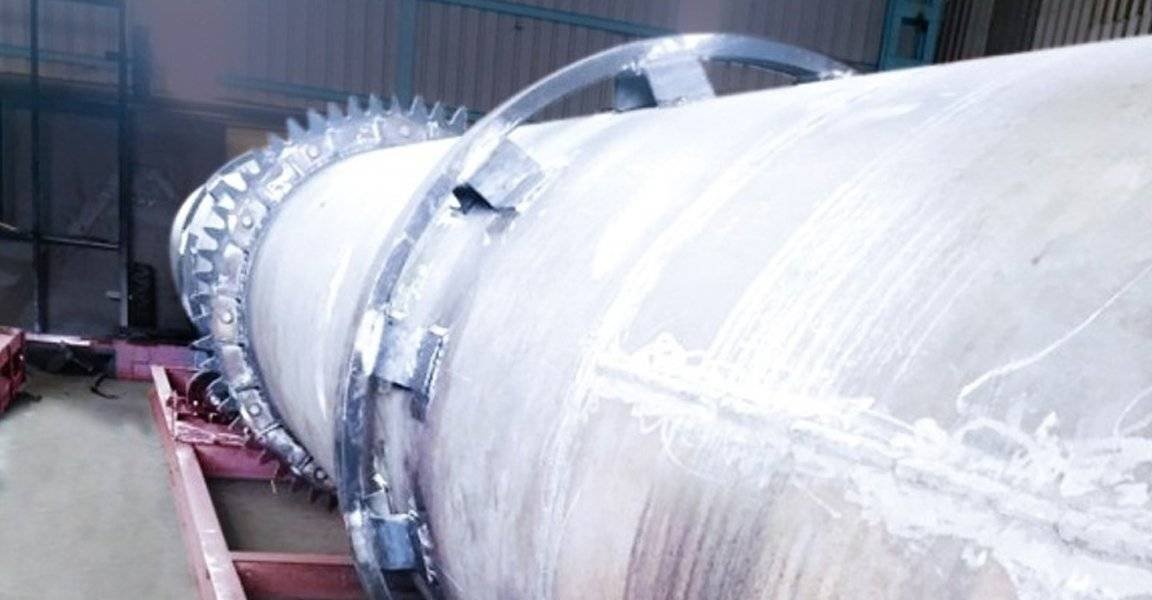
| Controlled Particle Retention | Internal classifier rings | Retains heavy, moist particles until fully dried |
Spin Flash Drying: The High-Efficiency Solution
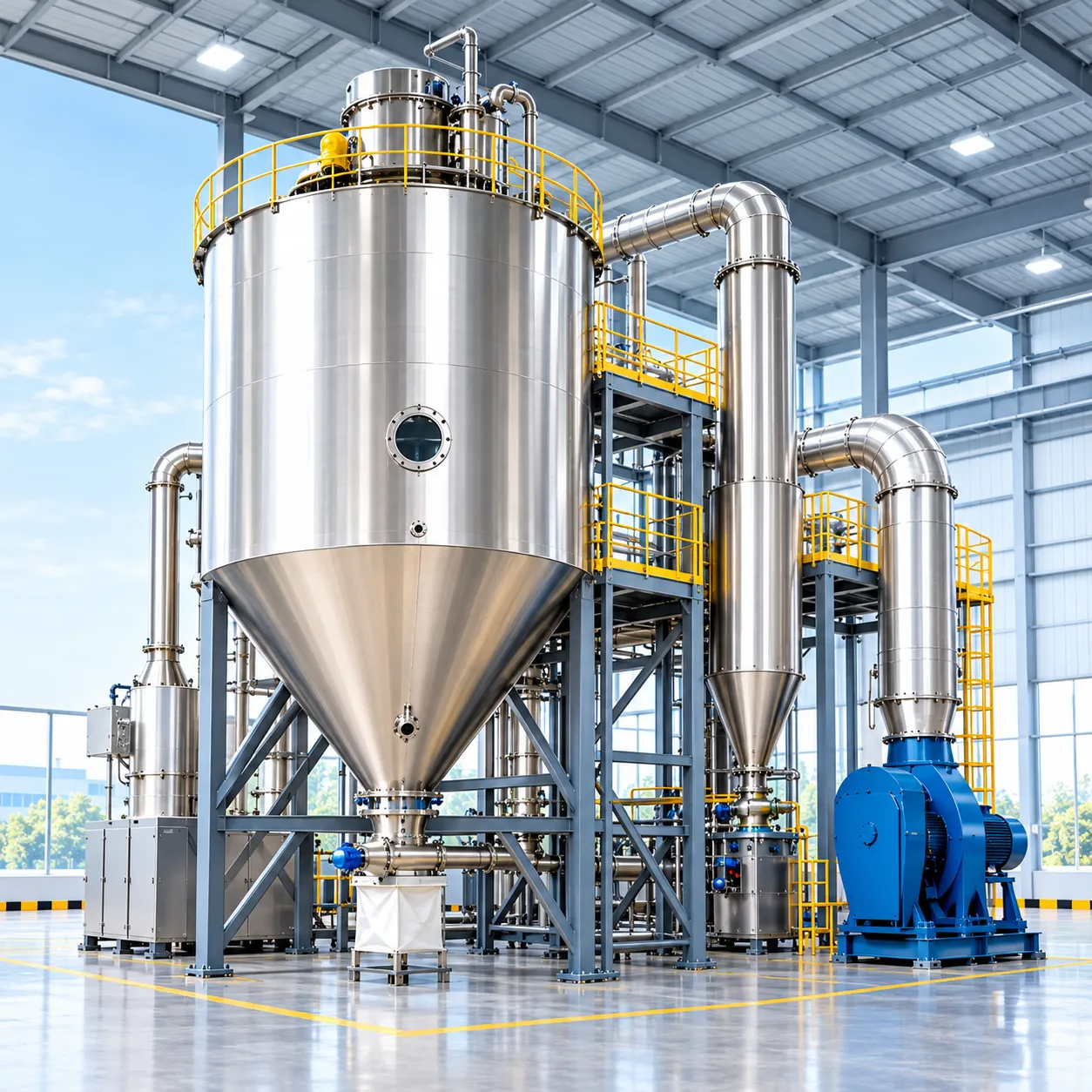
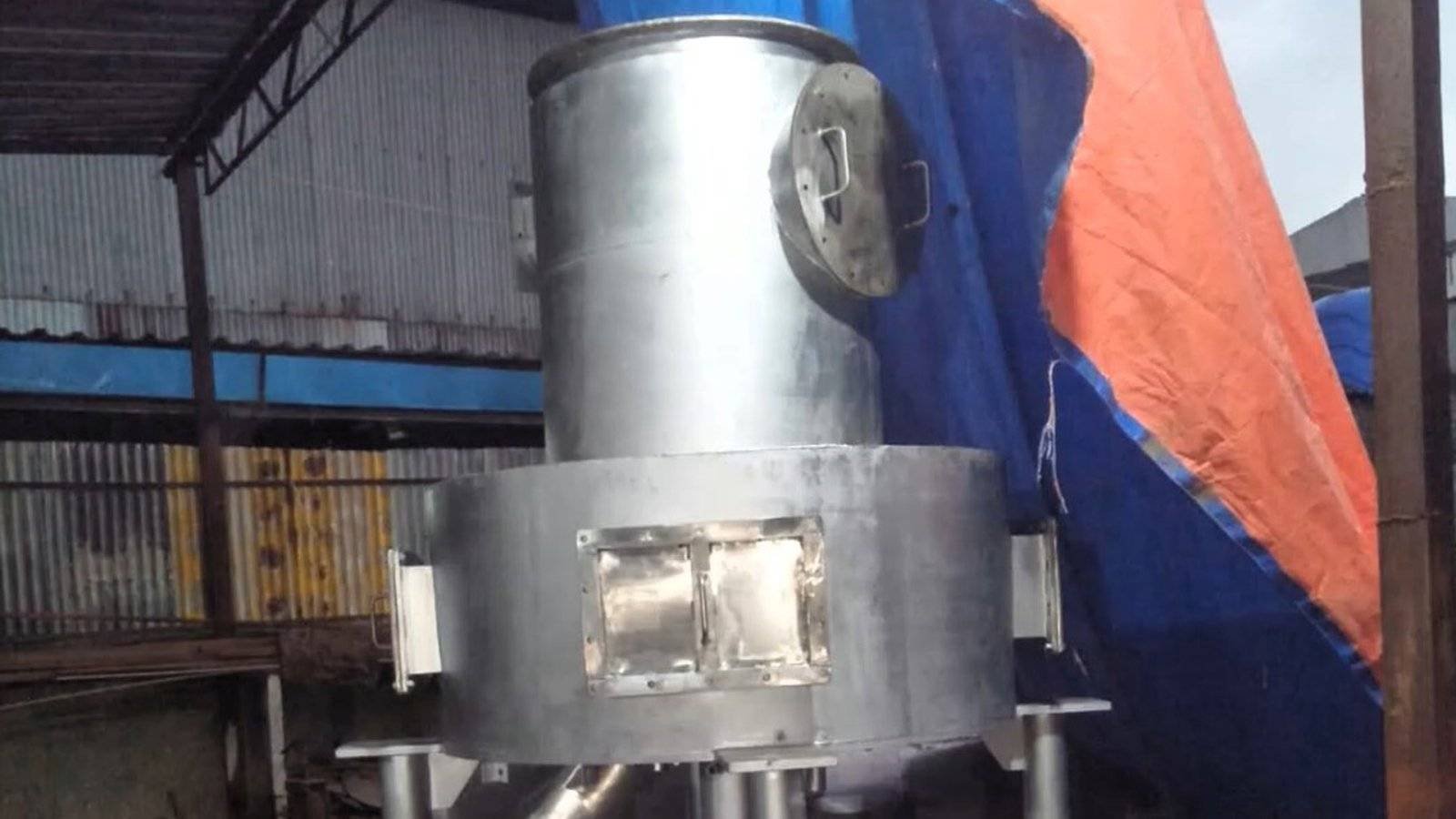
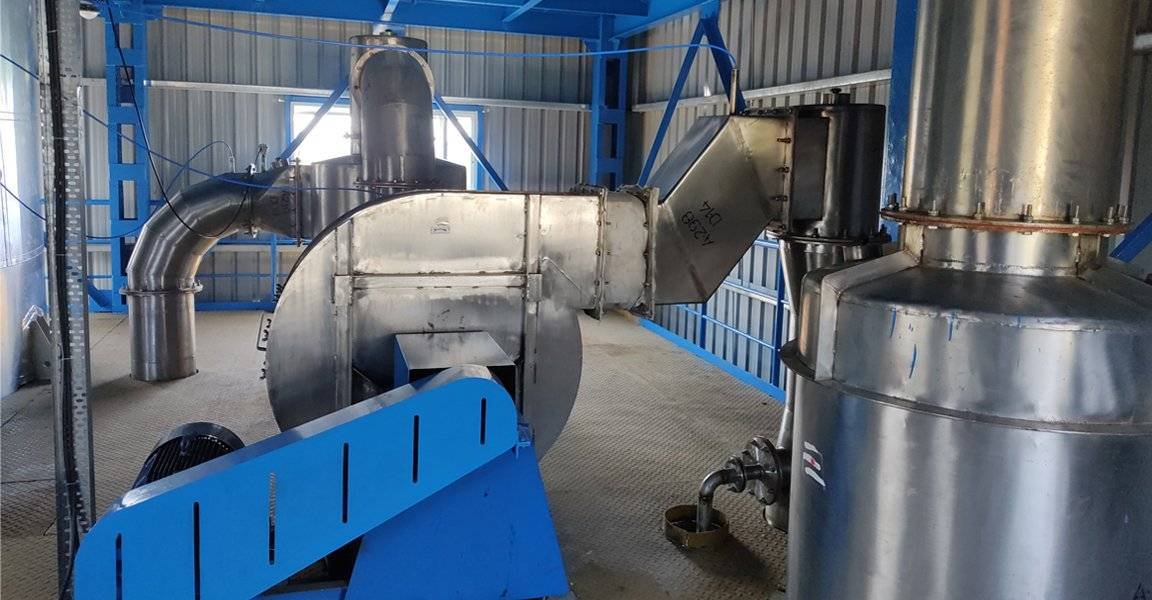
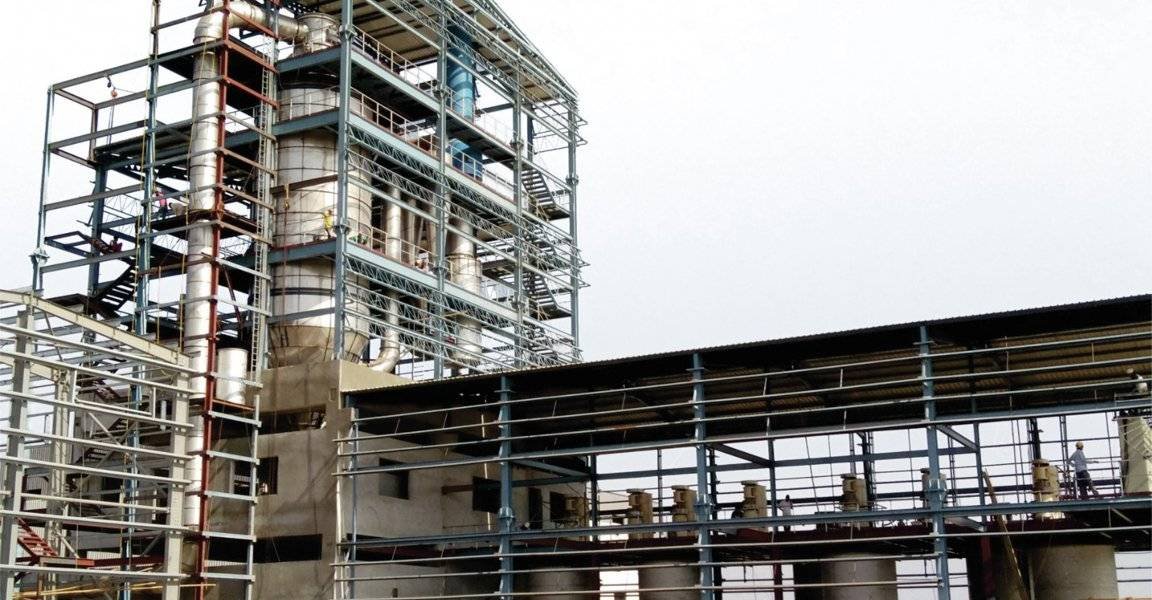
For highly viscous, heat-sensitive, or paste-like bulk solids, conventional rotary or tray dryers often fall short due to slow drying cycles and high footprint requirements. Spin Flash Dryers resolve these issues by combining mechanical agitation and fluidization in a single continuous process.
[ Viscous Feed Material ]
           │
           ▼
┌─────────────────────────┐
│   Agitated Feed Chamber │ ◄── [ High-Temp Air Stream ]
└──────────┬──────────────┘
           │ (Disintegration & Instant Evaporation)
           ▼
┌─────────────────────────┐
│ Integrated Classifier   │ ──► Heavy/Moist Particles (Recycled to Rotor)
└──────────┬──────────────┘
           │ Light/Dry Fine Powder
           ▼
[ Cyclonic Powder Recovery ]
Operational Advantages
-
Instantaneous Evaporation: Hot air enters the agitation chamber at high velocities, surrounding fine particles and flash-evaporating surface moisture within seconds.
-
Energy Conservation: High heat transfer coefficients mean less thermal energy is wasted compared to static drying methods.
-
Consistent Product Quality: Integrated air classifiers ensure that only dry, uniform fine powder exits the system, eliminating the need for downstream grinding in many applications.
Optimization Checklist for Process Engineers
To optimize bulk drying efficiency in your facility:
-
Monitor Feed Consistency: Maintain uniform feed rates to prevent thermal spikes or incomplete drying in the agitation zone.
-
Optimize Inlet/Outlet Temperatures: Balance inlet air temperature against product heat sensitivity to prevent thermal degradation while maximizing evaporation velocity.
-
Inspect Classification Settings: Fine-tune classifier ring openings to balance throughput volume with target final moisture content.