
Industrial drying of high-viscosity materials—such as filter cakes, pastes, sludges, and cohesive powders—has historically presented a major operational bottleneck. Traditional tray, rotary, or spray dryers often struggle with sticky feeds, resulting in long dwell times, excessive energy consumption, and inconsistent particle sizing.
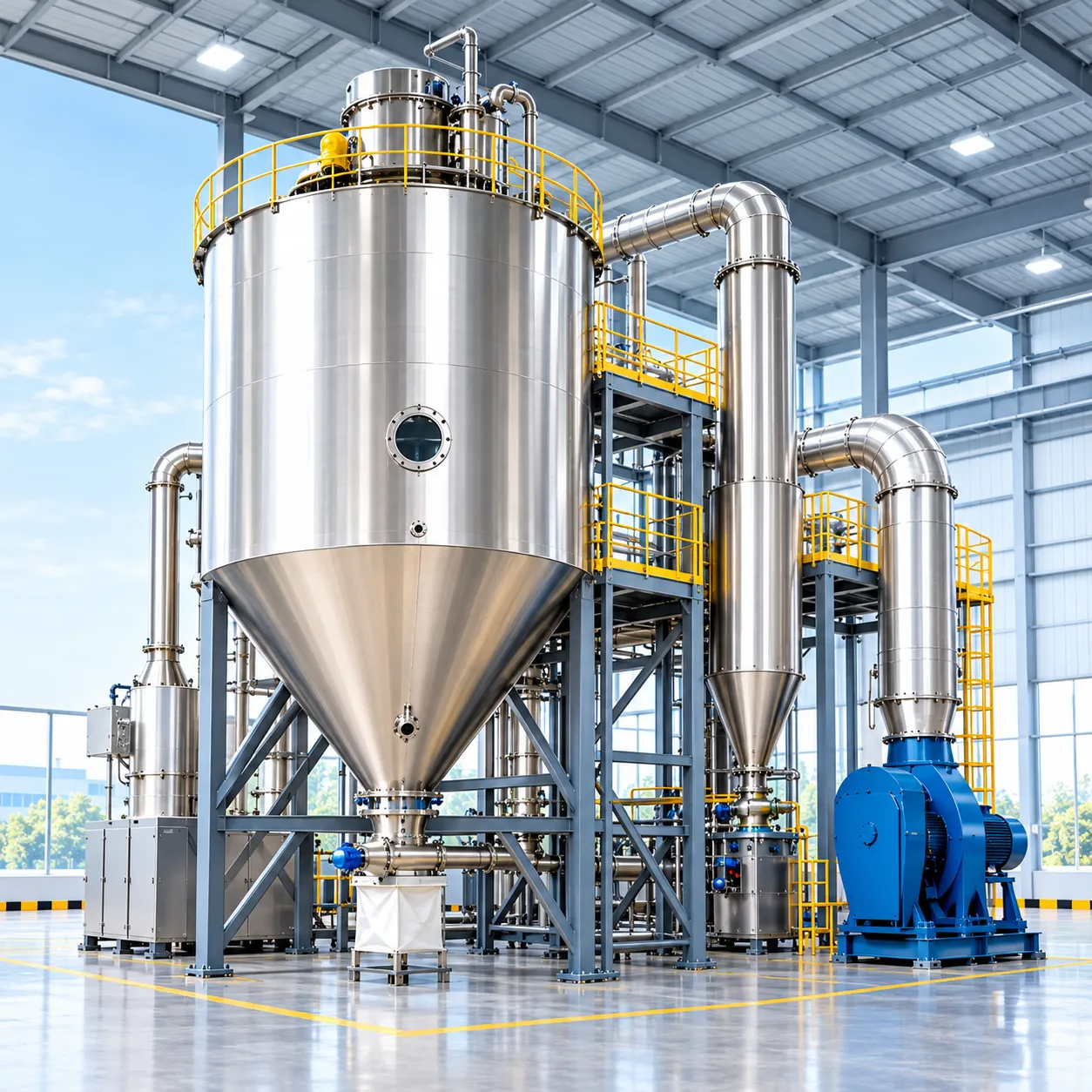
The Spin Flash Dryer (SFD) solves these operational hurdles by combining mechanical agitation, fluidization, and classified pneumatic transport into a single continuous, compact system.
Understanding the Core Mechanics
A Spin Flash Dryer operates as an agitated fluidized bed system. It accepts heavy, wet feeds directly from filtration units and transforms them into fine, dry powders within milliseconds.
The 4-Stage Drying Process
1.Feed Preparation & Dosing:Continuous Mechanical Introduction.
Wet filter cake or paste is metered into the drying chamber using a variable-speed feed screw. The feed rate is controlled based on thermal output to maintain process stability.
2.Agitation & Mechanical Disintegration:High-Shear Rotor Mechanics.
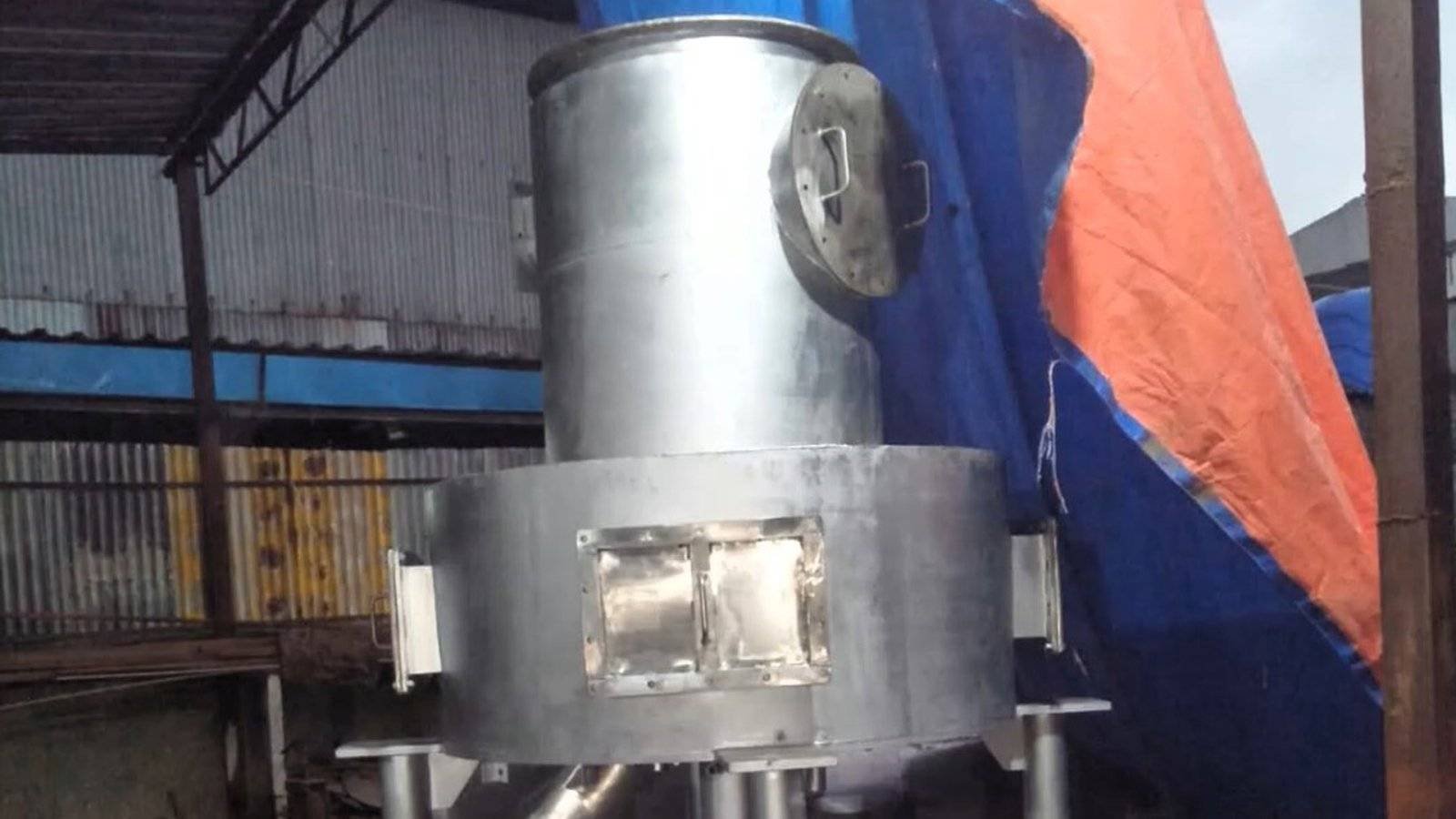
At the base of the drying chamber, a high-speed rotor breaks down cohesive wet lumps into smaller fragments. This mechanical shearing increases the surface-area-to-mass ratio exponentially.
3.Flash Thermal Evaporation:Fluidized Heat Transfer.
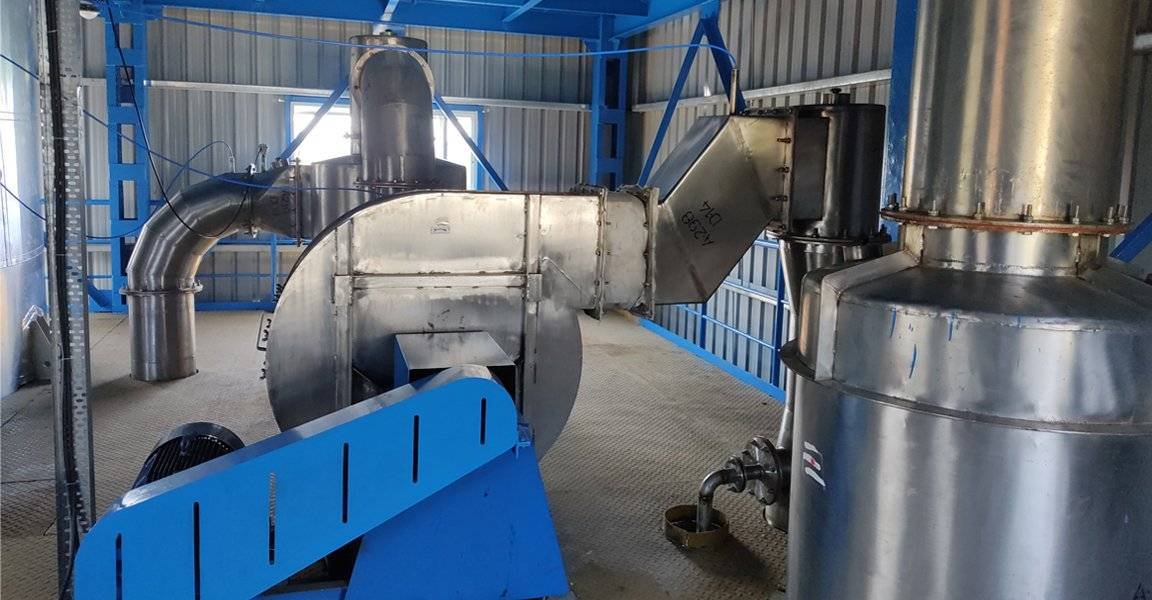
Hot air enters tangentially through a distributor plenum at the base. The high-velocity swirl creates a turbulent vortex, mixing hot gas with the disintegrated feed. Surface moisture flash-evaporates almost instantaneously.
4.Internal Classification & Discharge:Particle Size Selection.
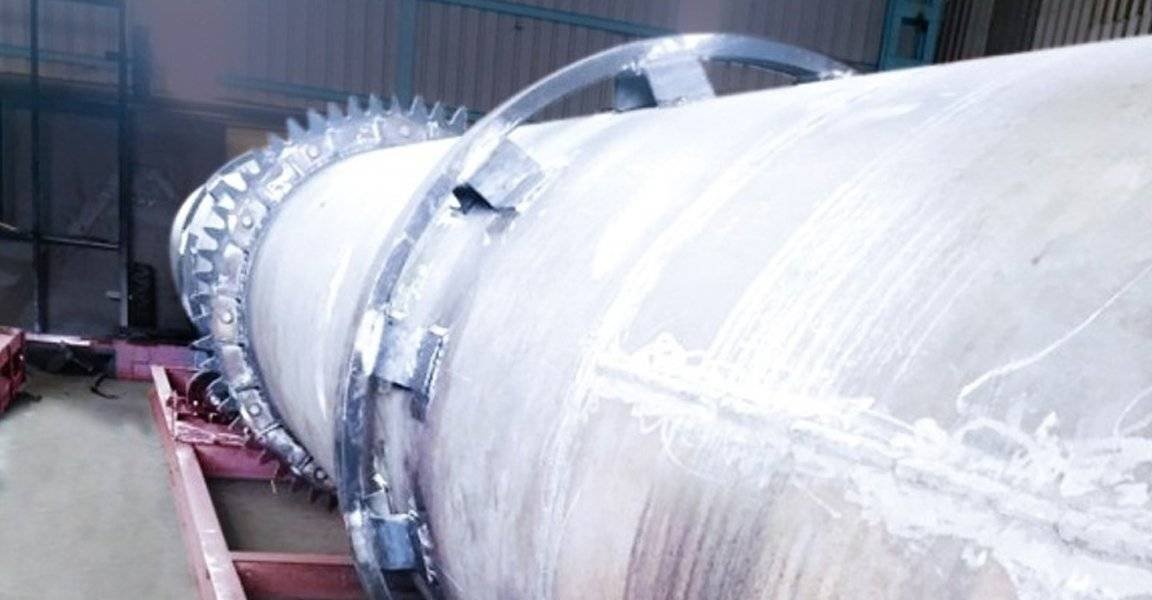
An internal classifier ring at the top of the chamber restricts larger, moist particles, forcing them back down into the rotor zone. Only particles that are fully dried and small enough pass through to the collection cyclone or bag filter.
Engineering Advantages Over Conventional Dryers
Compared to alternative thermal processing systems, Spin Flash technology provides critical operational benefits:
| Feature | Spin Flash Dryer | Spray Dryer | Rotary Dryer |
| Compatible Feed Types | Filter cakes, pastes, high-solids sludges | Liquid slurries (requires low viscosity) | Bulk granular solids, low-stickiness feeds |
| Footprint Requirements | Vertical, compact footprint | Large vertical and spatial clearance | Large horizontal footprint |
| Retention Time | Milliseconds to seconds | 10 to 30 seconds | Minutes to hours |
| Thermal Efficiency | High (direct contact turbulent transfer) | Moderate (energy spent evaporating dilution water) | Low-to-Moderate (higher structural heat loss) |
Key Performance Factors for Plant Engineers
To maximize throughput and ensure long-term equipment reliability, engineering teams must optimize three main operational variables:
-
Inlet Air Temperature Control: Higher inlet temperatures increase evaporation rates, but must be calibrated against the thermal sensitivity of the material to prevent degradation.
-
Rotor Tip Speed: Rotor speed directly impacts particle size distribution. Higher speeds produce finer particles, while lower speeds are suitable for friable materials.
-
Classifier Aperture Sizing: The classifier ring determines the threshold for product exit. Adjusting this opening balances throughput volume against maximum allowable final moisture content.