
Industrial Dryers and Evaporators: Types, Working Principles and How to Choose the Right System
Industrial dryers and evaporators both remove liquid from a process stream, but they do different jobs. An evaporator concentrates a liquid, for example turning a thin solution into a thick syrup or concentrate. A dryer takes the material further, to a solid product with a controlled moisture content.
Most real plants need both, often in sequence. The harder question is which type of each suits your material. This guide explains how the equipment works, where each technology fits, and what to check before you specify a system.
Dryer or Evaporator: What Is the Difference?
The deciding factor is the physical state of your feed and the state you need at the end.
- Evaporators handle pumpable liquids. They use heat, usually steam, to boil off solvent, typically water. The output is still a liquid, only more concentrated.
- Dryers handle liquids, pastes, filter cakes or wet solids. They remove moisture until the product is a powder, granule or dry solid.
Evaporation is generally the more energy-efficient way to remove bulk water, particularly in multiple-effect designs that reuse vapor. Drying is needed when the end product must be solid, stable and easy to pack or transport. That is why many plants evaporate first and dry second.
How the Process Works: Heat and Mass Transfer
Every dryer and evaporator relies on the same two mechanisms.
Heat transfer supplies the energy to turn liquid into vapor. This can be hot air in direct contact with the material (convection) or a heated surface (conduction).
Mass transfer carries the vapor away from the material. In dryers, the exhaust air takes up the moisture. In evaporators, vapor leaves through a separator and is condensed or reused.
Four variables shape the result:
- Moisture content of the feed and the target moisture of the product
- Temperature, including air inlet and outlet temperatures in dryers
- Residence time, meaning how long the product is exposed to heat
- Surface area available for heat and mass transfer
Short residence time protects heat-sensitive products. Longer residence suits tougher, granular materials that need time for internal moisture to migrate to the surface.
Main Types of Industrial Dryers
Spray Dryers: Liquids to Powder in One Step
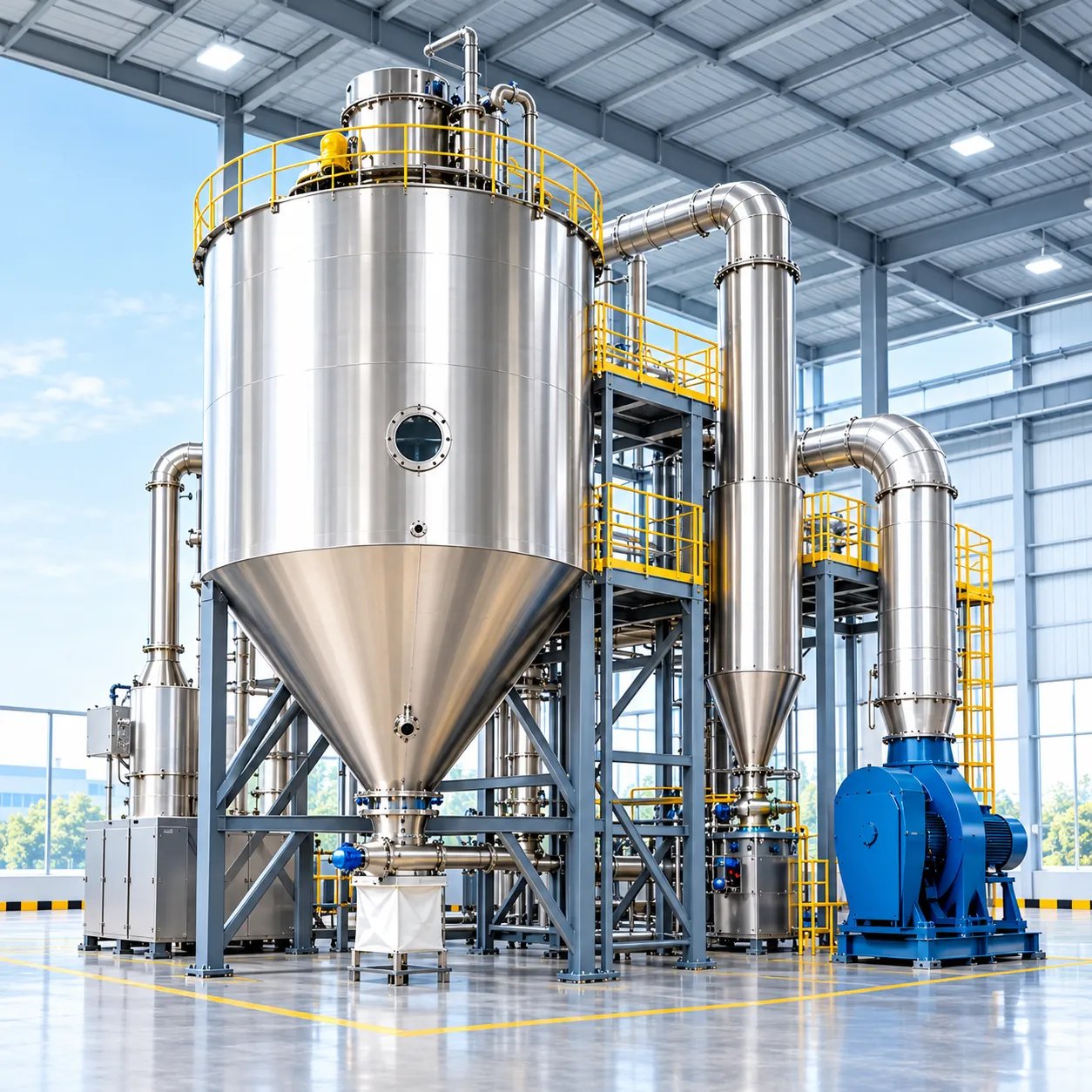
A spray dryer atomizes a liquid feed into fine droplets inside a chamber of hot gas. Droplets dry in seconds and leave as powder. This makes spray dryers a strong fit for solutions, suspensions and slurries where particle properties such as size, bulk density or solubility matter.
Because the droplet cools as it evaporates, products can often be dried without the powder itself reaching the gas inlet temperature. That is why the method is used for many heat-sensitive materials. Typical uses include dairy and food powders, pharmaceutical and nutraceutical ingredients, and specialty chemicals.
Atomizer choice (rotary disc or nozzle) and chamber design strongly affect particle size and powder recovery. Plants trialing new formulations often start with a pilot spray dryer to test feed behavior before committing to full-scale equipment.
Flash Dryers: Fast Drying of Wet Cakes and Powders
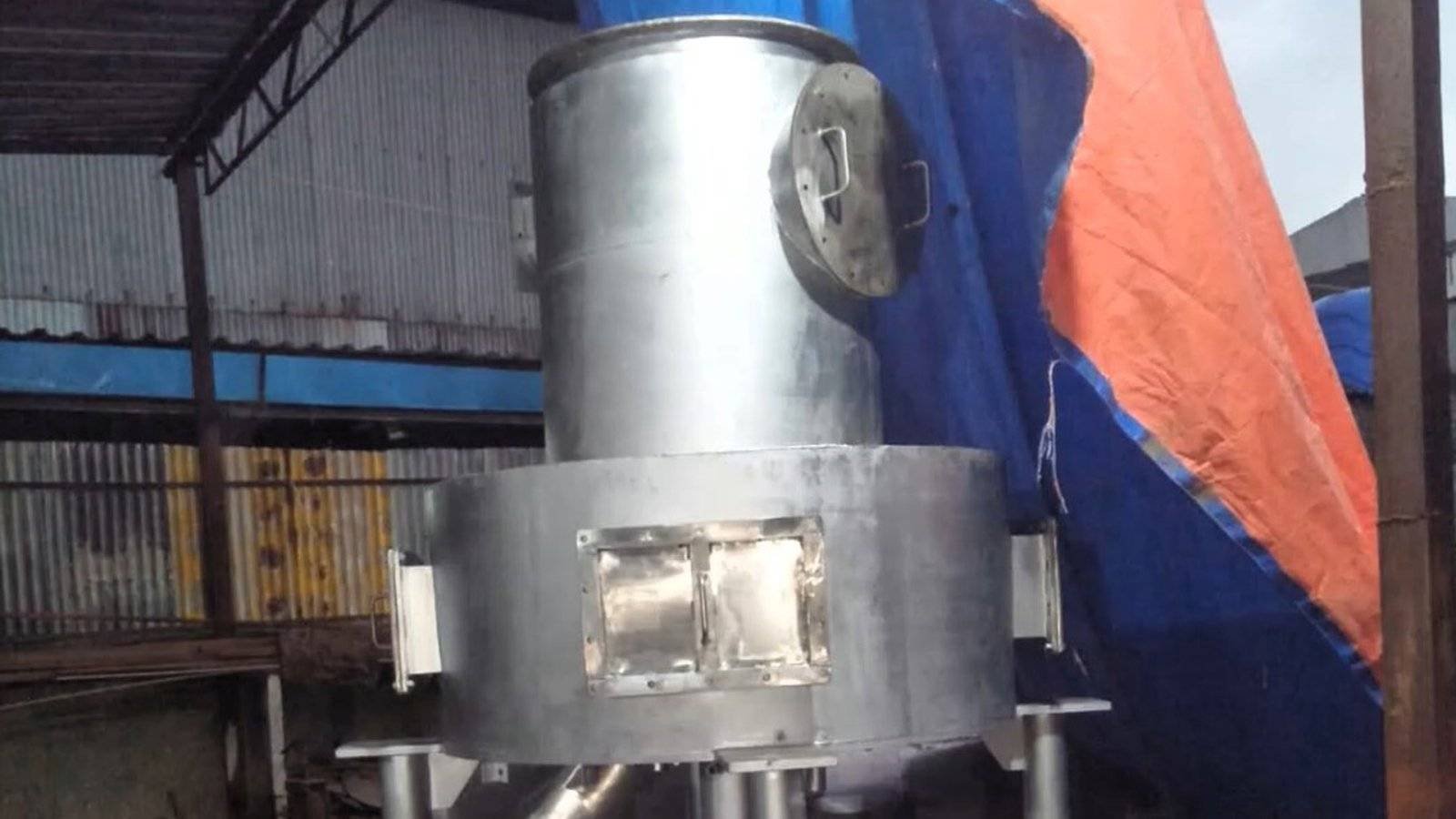
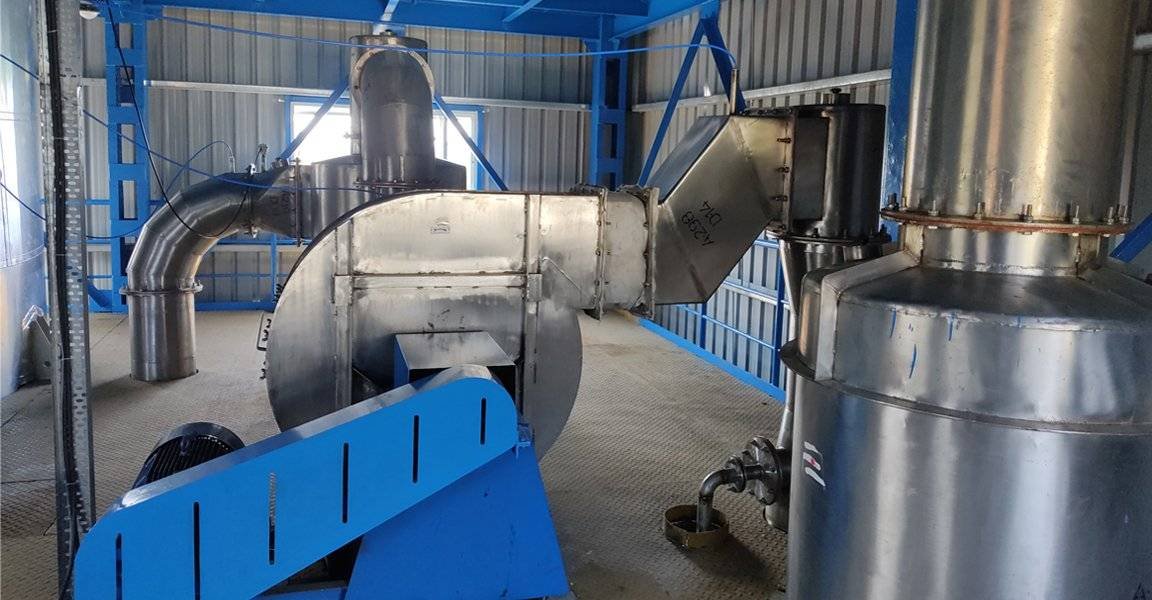
A flash dryer suspends wet, crumbly material in a fast stream of hot air. Moisture leaves within seconds, and a cyclone or filter collects the dried solids. Industries that need quick moisture removal from filter cakes, pastes or wet powders can consider an industrial flash dryer.
It suits materials that can be broken up and carried in an air stream, including many chemicals, starches and mineral products. It is less suited to very sticky feeds unless a dispersing or back-mixing arrangement is used.
Rotary Dryers: Continuous Drying of Bulk Solids
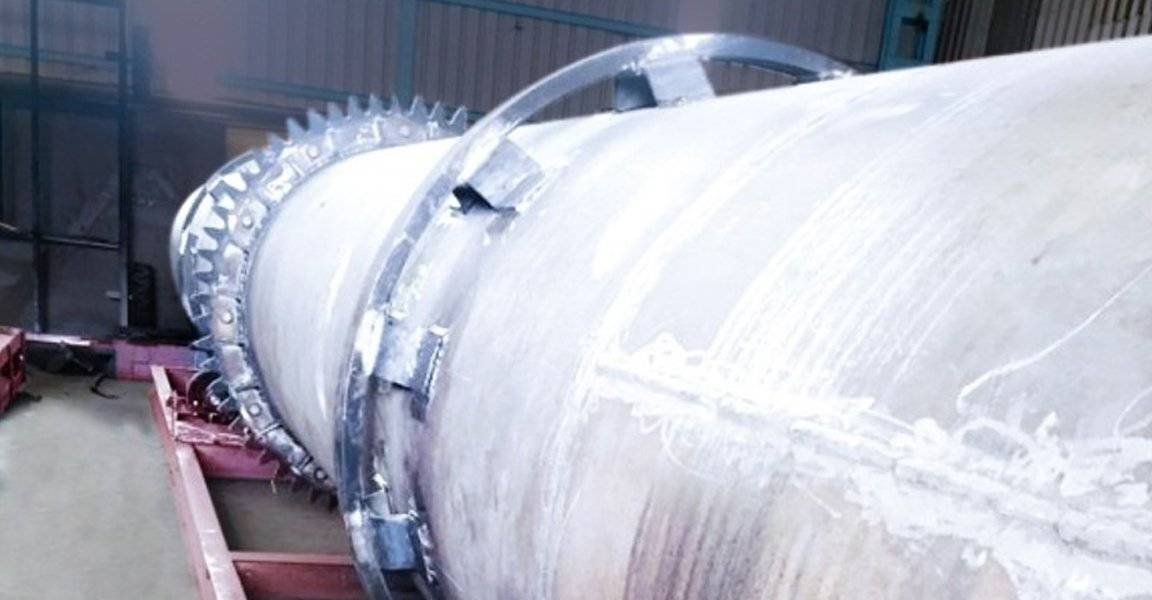
A rotary dryer is a slowly rotating, slightly inclined drum. Material tumbles through it while hot gas dries it. It tolerates variations in particle size and handles large throughputs, so a rotary dryer is a common choice for granular, crystalline and abrasive solids. Examples include minerals, fertilizers and bulk chemicals.
Residence time is longer than in flash or spray drying, which helps when internal moisture is slow to escape. The trade-off is a larger footprint and more attention to dust handling.
Fluid Bed Dryers: Gentle, Uniform Drying of Granules
In a fluid bed dryer, hot air passes upward through a bed of particles and lifts them so they behave like a fluid. Heat transfer is uniform and temperature is easy to control. A continuous fluid bed dryer suits free-flowing granules and crystals, and it is often used as a finishing or post-drying step after another dryer.
Main Types of Industrial Evaporators
Falling Film Evaporators
The liquid flows down the inside of heated tubes as a thin film, so contact time with the heat is short. This design generally suits heat-sensitive, clear or moderately viscous liquids. It is less suitable for feeds with heavy solids or strong scaling tendencies. For a detailed comparison, see falling film versus rising film evaporators.
Forced Circulation Evaporators
A pump circulates liquid at high velocity through the heat exchanger, which discourages deposits. This makes forced circulation the usual choice for scaling, fouling or crystallizing liquids. The cost is higher pumping energy.
Multiple-Effect Evaporators (MEE)
Several evaporator stages run in series, and vapor from one stage heats the next. This reuses energy and lowers steam consumption compared with a single stage. The multiple-effect versus single-effect evaporator guide explains how to weigh the energy savings against the extra capital cost.
Agitated Thin Film Evaporators and Dryers (ATFD)
A rotor spreads a thin film across a heated wall. This handles viscous or near-solid concentrates that would block a tubular evaporator. It often serves as the final stage in effluent and ZLD systems.
AKSH's range of industrial evaporators covers evaporation duties for dairy, pharmaceutical, chemical and effluent applications.
Comparing the Main Technologies
| Technology | Typical feed | Typical use | Key strength | Main selection consideration |
|---|---|---|---|---|
| Spray dryer | Solution, suspension, slurry | Powders with defined particle properties | Liquid to powder in one step, short exposure to heat | Atomization, chamber size and powder recovery |
| Flash dryer | Wet cake, paste, wet powder | Quick moisture removal from dispersible solids | Very short drying time, compact | Sticky materials need special handling |
| Rotary dryer | Granular or crystalline solids | Bulk drying at high throughput | Tolerates varied particle size, robust | Larger footprint, dust control |
| Fluid bed dryer | Free-flowing granules | Gentle or finishing drying | Uniform temperature control | Needs fluidizable particles |
| Falling film evaporator | Clear, heat-sensitive liquid | Concentration with low heat exposure | Short residence time | Poor with heavy solids or scaling |
| Forced circulation evaporator | Fouling or crystallizing liquid | Concentration of difficult feeds | Resists deposits | Higher pumping energy |
For a deeper look at dryer selection, see the spray, flash and fluid bed comparison guide.
Why Evaporation Often Comes Before Drying
Removing water in an evaporator before a dryer reduces the load on the dryer. A common example is concentrating a liquid feed before spray drying, which means less water to evaporate in the dryer. The result is usually lower energy use per unit of product, and the dryer chamber is used more effectively.
The same logic applies to effluent treatment. Evaporation and drying reduce liquid volume step by step, and a complete ZLD plant can combine several stages of this kind.
Key Factors That Decide Equipment Selection
Start from the material, not the machine. These are the points to settle before approaching any supplier.
- Feed form: liquid, slurry, paste, wet cake or granular solid
- Feed solids and viscosity: these can change dramatically as water is removed
- Heat sensitivity: some products degrade at temperatures other materials tolerate easily
- Stickiness and scaling: materials that stick or form deposits affect both the choice and cleaning needs
- Target moisture and particle properties: bulk density, flowability, solubility and particle size
- Hygiene requirements: food, dairy and pharmaceutical products need suitable materials of construction and cleaning systems
- Safety: combustible dusts and solvents need proper design safeguards
- Energy and heat source: steam, electricity, fuel and waste-heat options differ by site
- Automation: stable operation depends on reliable monitoring and control of temperatures and feed rates
- Maintenance and scale-up: access, cleaning time and the ability to expand later
Fouling deserves special attention in evaporator selection. Our article on common evaporator fouling problems and prevention covers it in more detail.
Applications Across Industries
- Chemicals: slurries, filter cakes and salts using spray, flash, rotary and evaporation systems
- Pharmaceuticals and nutraceuticals: powders with controlled properties and concentrates
- Food and dairy: milk and protein concentration followed by powder production
- Minerals and bulk solids: high-throughput drying of granular materials
- Effluent treatment: volume reduction through multiple-effect evaporation and thin film stages
Advantages and Limitations
Advantages
- Lower transport and storage costs, since removing water reduces weight and volume
- Better product stability and shelf life
- Consistent product quality with good process control
- Energy recovery is possible in multiple-effect and other efficient designs
Limitations
- Drying and evaporation are energy-intensive, so efficiency matters over the plant's life
- Wrong technology choice can cause scaling, fouling, degradation or poor product quality
- Dust, noise and emissions need proper control
- Some feeds need testing because laboratory behavior can differ from plant behavior
How to Select the Right System
- Characterize the feed. Record moisture, solids, viscosity, temperature limits and any tendency to scale or stick.
- Define the product. Decide on target moisture, particle size, bulk density and hygiene requirements.
- Decide what comes first. Would an evaporator reduce the dryer load?
- Shortlist technologies using the table above.
- Test before scaling. A pilot trial reduces risk, as explained in our guide to scaling up with pilot spray dryers.
- Compare lifetime cost, not just purchase price. Include energy, cleaning time, spare parts and operator effort.
Why Work with AKSH Engineering
AKSH Engineering Systems Pvt. Ltd. designs and manufactures industrial drying and evaporation systems, and describes itself as a team with more than 100 years of combined experience. Its range covers spray, flash, rotary and fluid bed dryers as well as evaporators and ZLD plants, so you can discuss drying and evaporation together. That matters because the two stages influence each other.
If you are comparing options, you can contact the AKSH team with your material details, and they can recommend a suitable configuration.
Conclusion
Evaporators concentrate liquids, and dryers produce solids. Choosing well depends on feed properties, product sensitivity, hygiene, energy use and scale. In many plants the best result comes from combining both, with evaporation taking out the bulk water and drying finishing the job.