
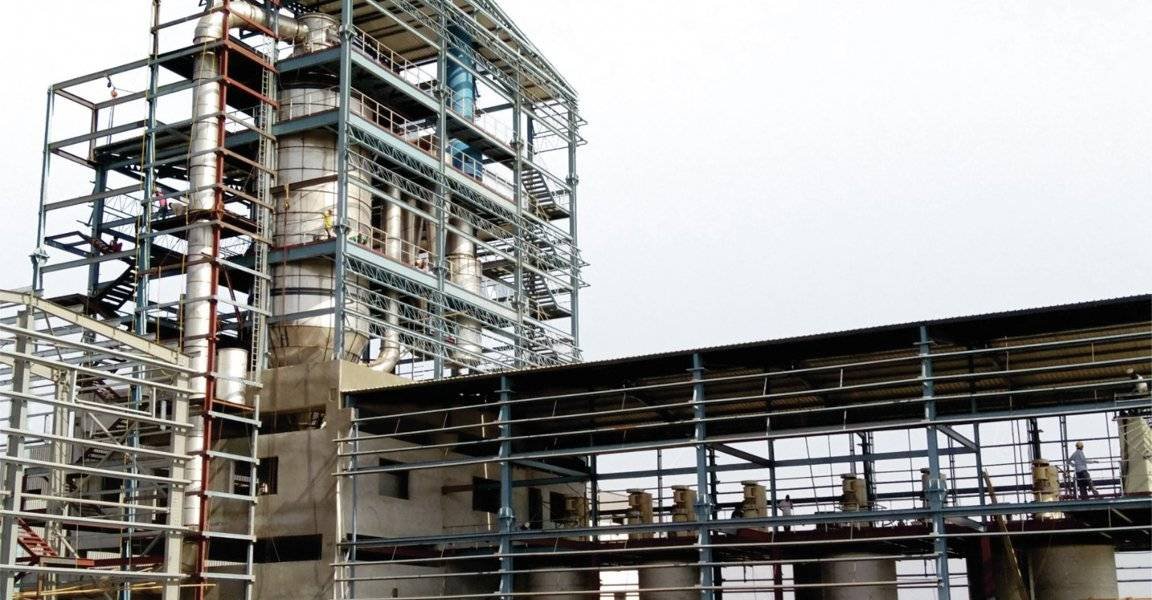

Egg powder is one of the quiet workhorses of the food industry. Bakeries, noodle makers, confectioners, mayonnaise and dressing producers, ready-meal plants and institutional caterers all rely on dried whole egg, yolk or albumen because it stores for months at ambient temperature, ships at a fraction of the weight of shell eggs and behaves predictably in a recipe. Yet egg is also one of the most sensitive raw materials a processor can handle. Raw egg can carry Salmonella and other pathogens, its proteins begin to change at relatively modest temperatures, and its natural sugars can brown the powder during storage if they are not managed.
That combination makes egg powder spray drying as much a food safety exercise as a drying exercise. The equipment, the layout of the plant, the pasteurization step and the cleaning regime all have to be designed together. In this article we look at where the real hazards sit in an egg powder line, how pasteurization and spray drying interact, which hygienic design features matter most, and what plant owners should check before investing. The guidance is general and engineering-focused; specific limits and procedures must always follow FSSAI rules or the regulations that apply in your market.
Why Egg Powder Demands a Food Safety First Approach
Liquid egg is an almost ideal growth medium for bacteria. It is rich in protein, close to neutral in pH for the whole egg and yolk, and full of moisture. Once the shell is broken, any contamination present on the shell surface, on equipment or in the air has an opportunity to multiply, especially if the liquid sits warm for too long. For that reason, egg processing regulations in most countries make pasteurization of liquid egg products a basic expectation before they enter the food chain.
A common misconception is that spray drying itself sterilizes the product. It does not. Although the inlet air may be very hot, evaporative cooling keeps each droplet far cooler than the air around it, and the powder typically leaves the dryer at a temperature well below what would be needed to destroy pathogens reliably. Spray drying reduces water activity so microorganisms cannot grow, but it should never be relied on as the kill step. The kill step is pasteurization, and everything after pasteurization exists to prevent recontamination.
The Three Product Families
- Whole egg powder: Used where both emulsifying and binding functions are needed, such as cakes, biscuits, pasta and premixes.
- Egg yolk powder: Valued for emulsification and color in mayonnaise, sauces and dressings. Its high fat content makes it more prone to oxidation.
- Egg white (albumen) powder: Prized for foaming and gelling in meringues, confectionery and meat products. It is the most heat-sensitive of the three and usually needs special treatment of its natural glucose.
Each family has different heat sensitivity, viscosity and storage behavior, so a well-designed plant either dedicates lines to each product or builds in the flexibility to change parameters and clean thoroughly between runs.
The Egg Powder Process Flow and Its Control Points
A modern line, such as an AKSH whole egg powder turnkey plant, links every stage from egg receiving to packed powder. Looking at the sequence step by step makes it easier to see where hazards are controlled:
- Egg receiving and washing: Shell eggs are inspected, and cracked or dirty eggs are separated. Washing and sanitizing remove surface contamination before breaking, because anything on the shell can end up in the liquid.
- Breaking and separation: Automatic breakers separate the contents from the shell and, where required, split yolk from white. Clean separation limits shell fragments and cross-contamination.
- Filtration and homogenization: Membrane pieces, chalazae and shell particles are filtered out, and the liquid is homogenized for uniform viscosity, which later helps consistent atomization.
- Chilling and holding: Liquid egg is cooled quickly and held cold in jacketed tanks to slow microbial growth until it is pasteurized.
- Pasteurization: The liquid is heated to a defined temperature, held for a defined time in a hold tube, and cooled again. This is the critical control point for pathogen reduction.
- Optional treatments: Egg white is often desugared (glucose removal) to prevent browning; some products receive concentration or ingredient blending.
- Spray drying: The pasteurized liquid is atomized into a hygienic drying chamber and converted to powder.
- Powder cooling, sieving and packing: The powder is cooled, sieved and packed in moisture-proof packaging under clean conditions.
In a HACCP-based plan, pasteurization is the main critical control point, but chilling, the dryer outlet conditions, cleaning effectiveness and packing hygiene are all important prerequisite controls. A gap at any one of them can undo the work done upstream.
Pasteurization Considerations for Liquid Egg
Pasteurizing egg is a balancing act. Too little heat and pathogens survive. Too much and the proteins coagulate on the heat exchanger plates, the liquid thickens, and the functional properties customers pay for, such as foaming in albumen or emulsification in yolk, start to decline.
Time and Temperature
Liquid whole egg is typically pasteurized somewhere in the region of 60 to 65°C with holding times measured in minutes, while egg white is usually treated at lower temperatures because its proteins are more fragile, and yolk can tolerate somewhat higher temperatures because fat and solids protect the bacteria and the proteins alike. These figures are only indicative. The exact time and temperature combinations you must achieve are set by the food safety regulations of your market, so processors should follow applicable FSSAI requirements, or the local authority's rules for export destinations, and validate their own process accordingly.
Equipment Features That Make Pasteurization Reliable
- Plate heat exchangers with regeneration: Gentle, uniform heating with heat recovery between incoming cold and outgoing hot product.
- Correctly sized hold tubes: The holding time depends on flow rate and tube volume, so the pump and tube must be matched and the flow controlled.
- Automatic flow diversion: If the temperature at the end of the hold tube drops below the set point, a divert valve automatically sends the product back for reprocessing instead of forward to the dryer.
- Continuous temperature recording: Calibrated sensors and data logging provide the evidence auditors and customers will ask to see.
These features are described on AKSH's egg powder plant, which uses precise hold tubes, automated divert valves, integrated plate heat exchangers and inline temperature tracking. Linking the pasteurizer to plant-wide automation also makes deviations visible immediately. Our article on how PLC and SCADA automation improves spray dryer consistency explains why logged, recipe-driven control matters for regulated food products.
Special Treatment for Egg White
Egg white contains a small amount of free glucose. During drying and storage, this glucose reacts with proteins in the Maillard reaction, causing browning, off-flavors and loss of solubility. Processors therefore commonly remove the glucose before drying, using controlled fermentation or enzymatic treatment. Dried albumen is also often given a further heat treatment in the dry state, sometimes called hot-room treatment, which can deliver additional pathogen reduction while the low moisture protects the proteins. Whether and how this is applied depends on the product and on the rules in your target market, so it should be specified with your quality and regulatory team.
Spray Drying Egg Without Damaging It
Once the liquid is pasteurized, the drying stage must remove water efficiently while keeping the product temperature low and the environment clean.
Atomization
Both rotary atomizers and pressure nozzles are used for egg. Nozzles tend to produce a coarser, denser powder with less fine dust, while rotary atomizers handle viscosity variations well. The choice depends on the desired particle size, bulk density and plant capacity. AKSH's nozzle atomization systems are one of the routes we evaluate for egg feeds, and we generally recommend confirming the choice through trials on your actual liquid.
Inlet and Outlet Temperatures
The outlet air temperature is the most important number for product quality, because the dried particle approaches it toward the end of drying. Running the outlet as low as practical, while still reaching the target moisture, protects protein functionality and color. Inlet temperatures are chosen to give an efficient evaporation rate without scorching. Egg white usually demands the gentlest conditions, whole egg sits in the middle, and yolk, with its fat, needs care to avoid oxidation and wall deposits.
Avoiding Deposits
Wall deposits are a food safety problem as well as a yield problem. Powder that sticks to the chamber or ducts sits warm for hours, can brown or burn, and may later fall into good product as dark specks. Good hot-air distribution, a suitable chamber geometry and controlled outlet temperatures all reduce deposits. A well-designed collection system also helps. For a detailed look at the options, see our guide on choosing between cyclones, bag filters and scrubbers, and our tips for improving powder recovery in industrial spray dryers.
Hygienic Design: Preventing Recontamination After Pasteurization
The biggest risk after pasteurization is recontamination, and the dryer is a large piece of equipment with a lot of internal surface area, air handling and powder transfer points. Hygienic design closes those gaps.
| Design Feature | Why It Matters for Egg Powder |
|---|---|
| Polished stainless steel contact surfaces | Smooth surfaces resist product build-up and are easier to clean and inspect. |
| Crevice-free, continuous welds | Removes the cracks and pockets where bacteria and old product can hide. |
| Filtered process air | Large air volumes pass through the dryer; filtration keeps airborne contamination out of the drying zone. |
| Sanitary fittings and dead-leg-free piping | Prevents stagnant liquid egg from sitting in pipe branches between cleaning cycles. |
| Integrated Clean-in-Place (CIP) | Delivers repeatable cleaning of tanks, lines, pasteurizer and dryer without dismantling. |
| Closed powder handling and clean packing area | Limits exposure of finished powder to the plant environment. |
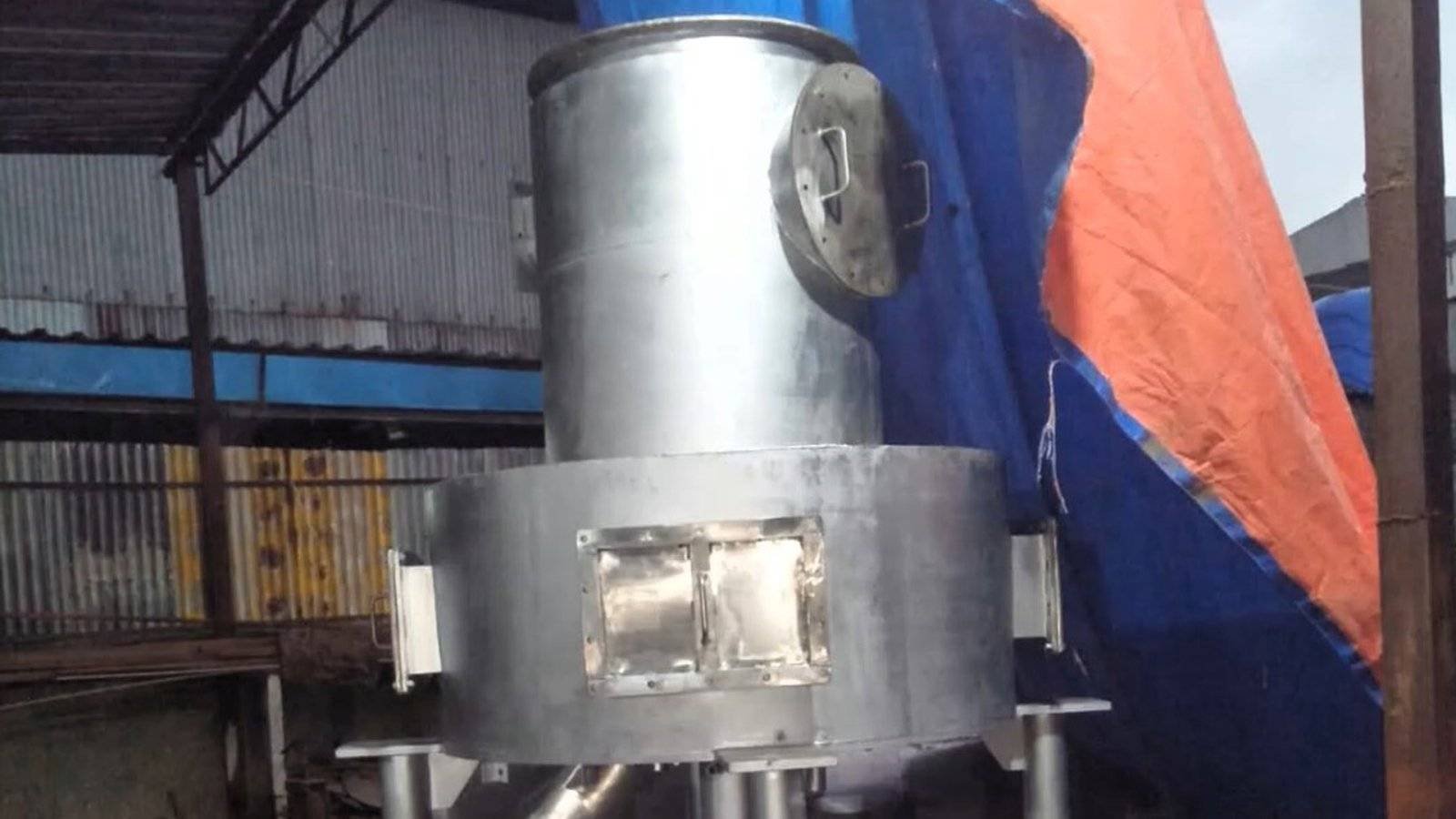
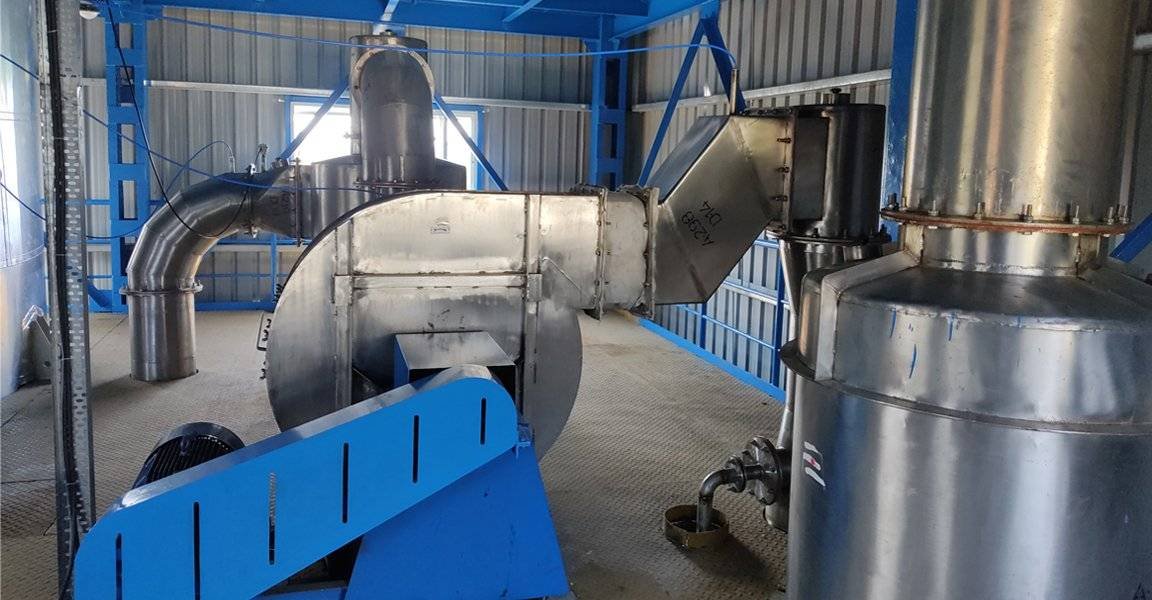
AKSH's hygienic spray dryer is built along these lines, with SS316L mirror-polished contact surfaces, crevice-free welding, multi-stage process air filtration up to HEPA grade and integrated CIP. The right steel grade and finish are important decisions in their own right; our article on choosing the right stainless steel grade for a spray dryer covers the trade-offs.
Cleaning Is a Safety Step, Not a Housekeeping Step
Egg proteins and fats form stubborn films that need the right combination of temperature, chemical concentration, contact time and flow turbulence to remove. Manual cleaning is inconsistent and hard to document. An automatic cleaning-in-place system runs validated recipes for rinsing, caustic washing, acid washing and final rinsing, and logs each cycle for audit purposes. If your team is new to the subject, our introduction to the fundamentals of CIP technology is a useful starting point.
After the Dryer: Storage Stability and Testing
Food safety does not end when powder leaves the chamber. The way egg powder is cooled, packed and tested decides whether it arrives at the customer in the condition it left the plant.
- Moisture and water activity: Low and consistent moisture keeps microorganisms dormant and slows chemical changes. Each product specification sets its own target.
- Cooling before packing: Packing warm powder traps heat and moisture, which can cause caking and accelerate browning and oxidation.
- Barrier packaging: Multi-layer bags or lined containers protect the powder from humidity and, for yolk-rich products, from oxygen.
- Microbiological testing: Finished-product testing for indicator organisms and pathogens, performed to the methods and limits required in your market, confirms the process is working.
- Traceability: Batch codes linked to pasteurizer records, dryer data and CIP logs allow rapid investigation if a complaint ever arises.
Checklist for Planning an Egg Powder Plant
When you begin specifying a new line or upgrading an existing one, it helps to work through a structured list with your engineering partner:
- Which products will you make (whole, yolk, white) and in what proportions?
- What capacity do you need today, and what growth should the layout allow for?
- Which markets will you sell into, and which regulations and customer audits apply?
- Is the pasteurizer equipped with flow diversion, recording and alarms?
- How will the plant be zoned to separate raw egg handling from pasteurized product and finished powder?
- Is CIP integrated across the whole line, including the dryer and powder handling?
- What utilities, such as steam, chilled water and compressed air, are available on site?
Turnkey projects of this kind sit within AKSH's specialized plants range, where the scope covers process design, equipment, installation and commissioning rather than a dryer alone.
Why AKSH Engineering for Egg Powder Projects
AKSH Engineering Systems Pvt. Ltd. has designed and manufactured spray drying and evaporation systems in Ahmedabad, Gujarat, since 2013, with more than 100 installations and a team of technocrats bringing over 100 years of combined experience. Because we design and manufacture in-house, the pasteurization, drying and cleaning systems of an egg plant can be engineered as one integrated process instead of a collection of separate machines. Our egg powder plants are custom sized, built in SS304, SS316 or SS316L with sanitary finishes, offered with semi-automatic or fully automatic PLC and HMI control, and include integrated CIP routing. We also export, supporting customers who produce for international markets.
Conclusion
Producing safe, functional egg powder depends on getting a few things right every single day: an effective, validated pasteurization step, gentle drying that protects proteins, a hygienic plant that prevents recontamination, reliable cleaning and careful packing. Spray drying is the step that turns liquid egg into a stable product, but it works best when it is designed together with everything around it, and when every safety limit is taken from the regulations that apply to your market.
If you are planning a new egg powder facility or want to improve an existing one, contact the AKSH Engineering team. We will help you define the right process, capacity and hygienic design for your products and your regulatory requirements.