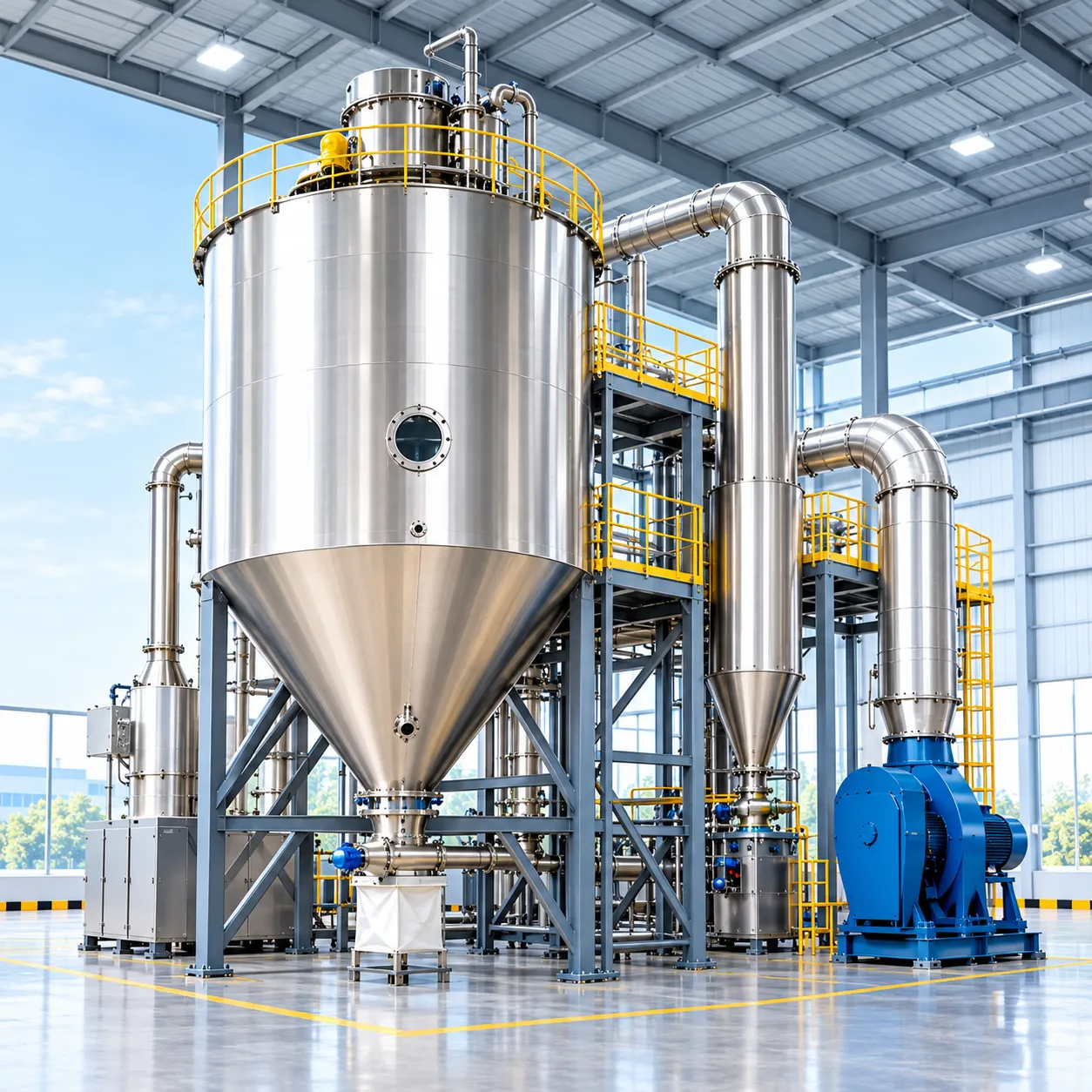
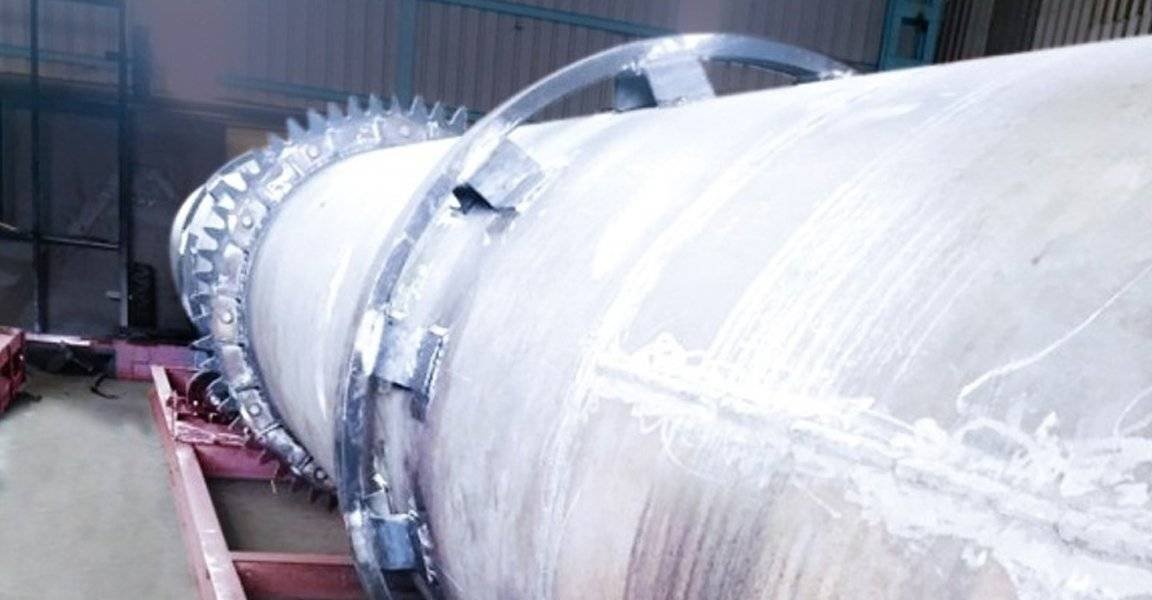
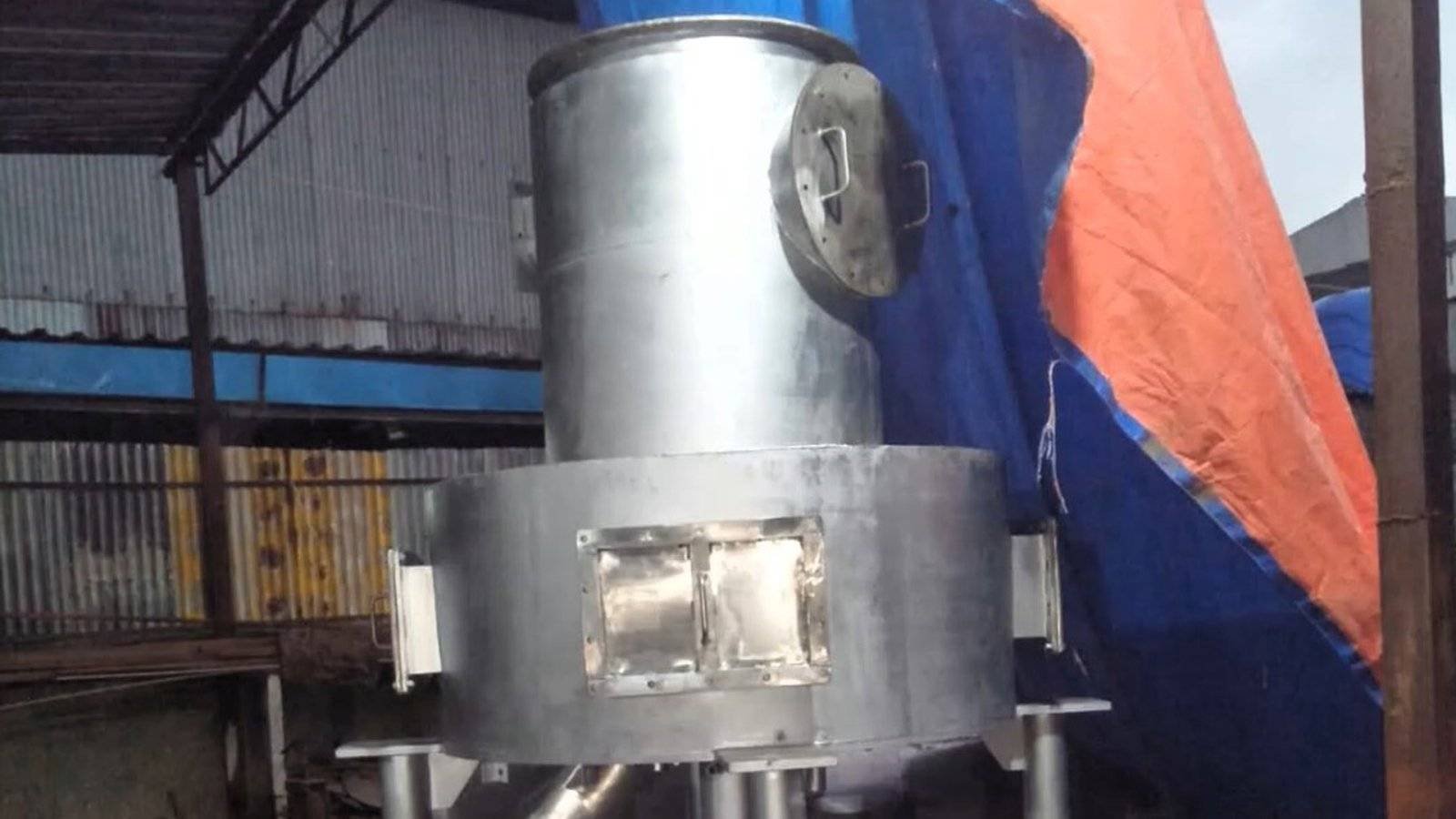
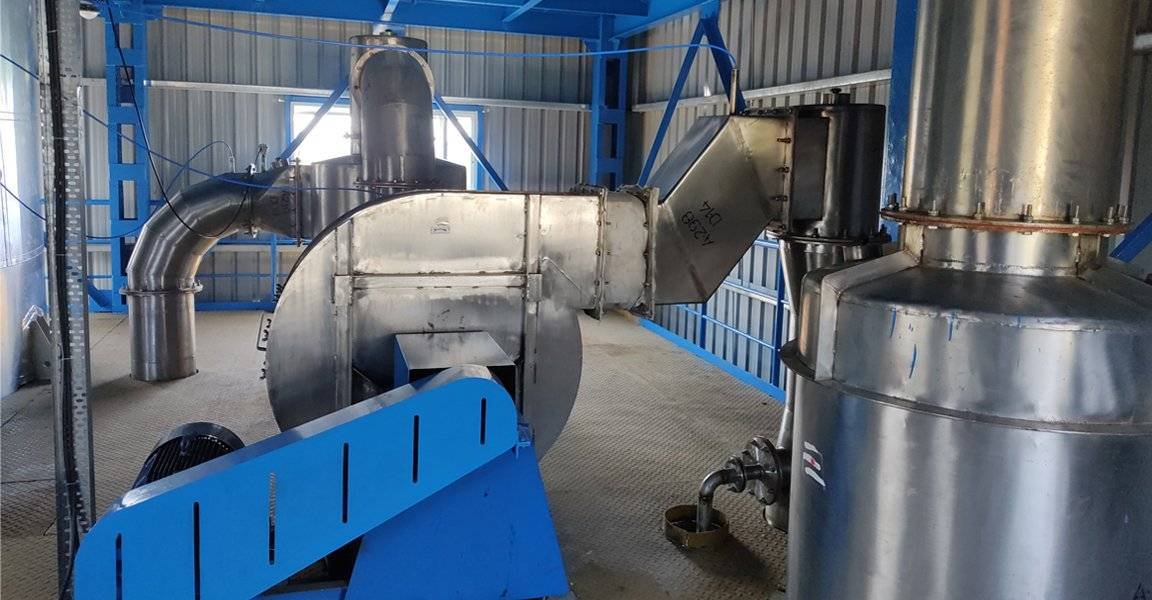

For a pharmaceutical or nutraceutical manufacturer, choosing to spray dry a product is only the first decision. The harder work is building a spray dryer plant that delivers the same powder, batch after batch, under inspection-ready hygiene and documentation standards. A well-engineered plant can shorten processing routes, improve yield and make products possible that were not feasible before. A poorly engineered one can become a constant source of deviations, cleaning delays and lost batches.
This article looks at spray drying from the production floor rather than the formulation lab. We cover how a spray dryer plant changes the manufacturing route, the design features that regulated production demands, the main plant configurations, validation and data integrity, cleaning, and a practical roadmap from pilot trials to commercial operation. If you are more interested in the product innovations that spray drying enables, such as amorphous solid dispersions or inhalable powders, read our companion piece on how spray drying is revolutionizing food and pharmaceutical products.
How a Spray Dryer Plant Changes the Production Route
Many pharmaceutical intermediates and botanical extracts have traditionally been isolated through a long chain of steps: crystallization or precipitation, filtration, washing, tray or vacuum drying, then milling and sieving to reach the right particle size. Each step adds equipment, handling, cleaning, time and risk of contamination or operator exposure.
A spray dryer plant can collapse much of that chain into a single continuous operation. A concentrated solution or extract goes in; a powder with defined particle size, moisture and bulk density comes out. The practical benefits for production teams include:
- Fewer unit operations: less equipment to qualify, clean and maintain.
- Closed handling: product moves through enclosed equipment rather than open trays, reducing exposure and contamination risk.
- Consistent particle properties: particle size and density are set by atomization and drying conditions, often removing the need for milling.
- Continuous output: steady production rather than multiple batch dryers running in parallel.
- Shorter thermal exposure: seconds in hot gas rather than hours on heated trays, which protects vitamins, enzymes and herbal actives.
For nutraceutical producers in particular, this often means converting a liquid herbal extract into a standardized, free-flowing powder ready for capsules or tablets in one step, with consistent active content from lot to lot.
Design Requirements for Regulated Production
Pharmaceutical and nutraceutical plants must satisfy cGMP expectations that go far beyond drying performance. The key design areas are summarized below.
Materials and Surface Finish
Product contact parts are typically SS316L, with non-contact structures in SS304. Internal surfaces should be smooth and crevice-free, with continuous welds ground and polished so that no residue or microorganisms can lodge in them. AKSH's hygienic spray dryers are built with mirror-polished internal surfaces to Ra 0.4 µm or better, with electropolished options. For a deeper look at grade selection, see our guide to choosing the right stainless steel grade for spray dryer construction.
Process Air Quality
Drying air is in direct contact with the product, so it must be treated as a process material. Hygienic plants use multi-stage filtration ending in HEPA filters, and indirect heating (steam radiators or electric heaters) rather than direct combustion. Where powders are hygroscopic, dehumidified inlet air may be used to make drying more predictable across seasons.
Hygienic Fittings and Drainability
Sanitary tri-clamp connections, food-grade seals, sloped ducts and drainable low points allow cleaning solutions to reach every surface and drain completely. Inspection ports and sight glasses support visual verification after cleaning.
Containment and Safety
Potent actives require operator protection through closed powder transfer, contained discharge points and filtered exhaust. Dust explosion risk must be assessed for organic powders, with protection measures such as venting, suppression or inerting where required. For solvent-based feeds, a closed-loop spray dryer operating with nitrogen and oxygen monitoring removes the fire risk and recovers solvents such as ethanol, methanol, acetone and IPA for reuse.
Choosing the Right Plant Configuration
Not every pharmaceutical or nutraceutical product needs the same plant. The table below maps typical product types to suitable configurations.
| Product Type | Typical Feed | Suitable Configuration | Key Considerations |
|---|---|---|---|
| Herbal and botanical extracts | Aqueous or hydro-alcoholic concentrate | Hygienic open-cycle, often with fluid bed finishing; closed loop if solvent content is significant | Stickiness, hygroscopicity, carrier selection |
| Vitamins and premixes | Emulsions or solutions | Hygienic open-cycle with nozzle or rotary atomizer | Oxidation, encapsulation efficiency |
| Enzymes, proteins, probiotics | Aqueous, heat-sensitive | Hygienic, low outlet temperature, gentle cooling | Activity retention, moisture control |
| APIs and solid dispersions | Organic solvent solutions | Closed-loop nitrogen with solvent recovery | Explosion protection, residual solvent, containment |
| Excipients | Aqueous solutions or slurries | Open-cycle, sometimes multistage for agglomeration | Flowability, compressibility, bulk density |
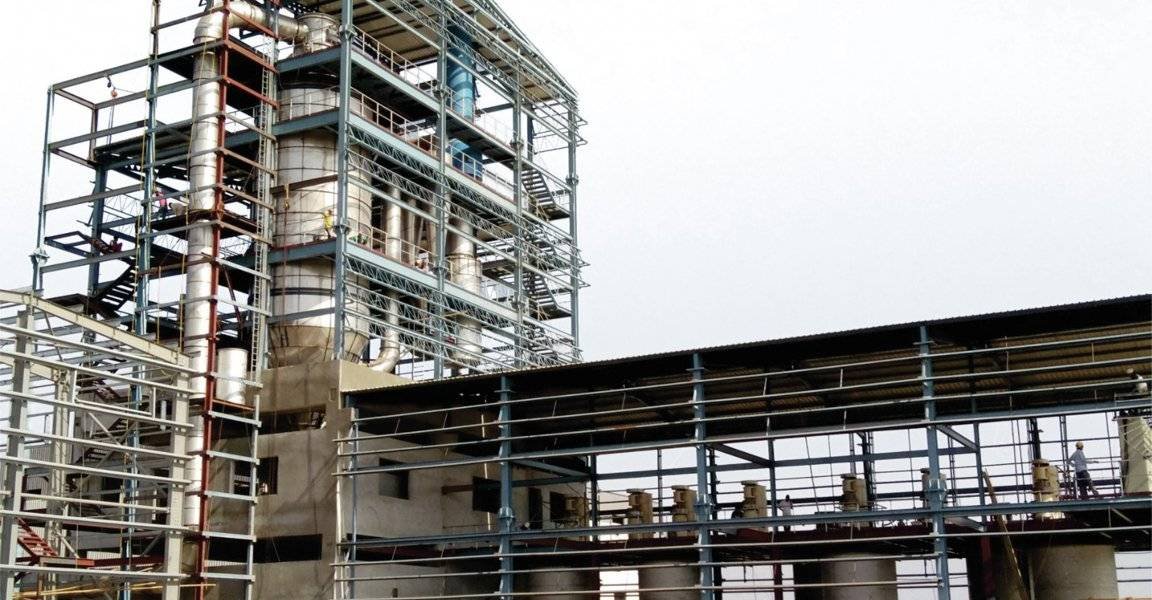
Plant size varies widely. AKSH hygienic spray dryers range from about 5 kg/hr evaporation for R&D pilot units to 5,000+ kg/hr for commercial turnkey plants, so capacity can be matched to the product's market rather than forced into a standard size.
Powder Handling After the Dryer
The drying chamber gets most of the attention, but many quality problems in regulated plants actually arise downstream. Warm powder leaving the chamber and cyclone can continue to pick up moisture, cake or lose activity if it is not handled correctly. A complete plant design therefore includes:
- Powder cooling: a vibrating fluid bed or cooled conveying line brings the powder close to room temperature before packing, which reduces caking and protects heat-sensitive actives.
- Enclosed conveying: pneumatic or vacuum transfer to sieving and packing avoids open handling and limits dust.
- Sieving and blending: a check sieve removes agglomerates or wall flakes; where fines from the cyclone and filter must be combined, controlled blending keeps the batch uniform.
- Controlled packing environment: hygroscopic extracts and APIs are often packed under low humidity into lined drums or bags with desiccant.
Treating these steps as part of the plant, rather than as afterthoughts, protects the quality that the dryer has created. It also simplifies qualification, because the whole route from feed tank to sealed container can be described, tested and documented as one system.
Automation, Data Integrity and Batch Records
In regulated production, it is not enough for the dryer to run well; you must be able to prove it ran well. Modern plants are controlled by PLC and SCADA systems that:
- Hold inlet and outlet temperatures within tight limits using closed-loop control, adjusting feed pump speed to maintain outlet temperature.
- Manage recipes so each product runs with approved parameters.
- Trigger alarms and safety interlocks on airflow loss, overtemperature or power failure.
- Record trends and generate batch reports automatically.
- Provide access control, electronic signatures and audit trails for 21 CFR Part 11 style data integrity requirements.
AKSH designs these systems in-house through its instrumentation, automation and controls offering, which covers field sensors, PLC and HMI panels, SCADA with historical logging, and compliance-oriented platforms. You can explore related products in our automation and control category.
Cleaning and Changeover
Cleaning is often the hidden bottleneck in multi-product pharmaceutical and nutraceutical facilities. Manual cleaning of a large chamber, ducts, cyclone and filters can take a full shift or more and introduces variability that is hard to validate.
Automated clean-in-place (CIP) solves much of this. Spray balls or retractable cleaning devices in the chamber and ducts are fed from a CIP station that controls the time, temperature, flow and chemical concentration of each cleaning step, with conductivity and temperature sensors confirming each phase. AKSH's automatic CIP systems range from compact single- or two-tank skids for pilot plants to multi-tank central stations with recovery of rinse water and chemicals. Our article on the fundamentals of clean-in-place technology explains the cleaning cycle and validation logic in detail.
Good cleaning design also influences plant layout: bag filters with washable or easily replaced elements, cyclones with sanitary access doors and ducts with minimal horizontal runs all reduce the time between product campaigns.
Qualification and Validation
Before a plant can make commercial product, it must be qualified. A typical sequence includes:
- User requirement specification (URS): the manufacturer defines capacity, product properties, materials, cleaning, automation and compliance needs.
- Design qualification (DQ): the supplier's design is reviewed against the URS.
- Factory acceptance test (FAT): key equipment and control functions are tested at the manufacturer's works before dispatch.
- Installation qualification (IQ): verification that equipment is installed as designed, with correct materials, documentation and calibrated instruments.
- Operational qualification (OQ): verification that each system operates across its intended ranges, including alarms and interlocks.
- Performance qualification (PQ): production runs demonstrating consistent product quality under routine conditions.
- Cleaning validation: evidence that CIP and any manual steps remove product and cleaning agents to acceptable limits.
Choosing a supplier that provides complete documentation, material certificates, weld records, instrument calibration data and qualification protocols saves considerable time during this phase.
From Pilot Trials to Commercial Production
Pharmaceutical and nutraceutical products should not go straight from the laboratory to a production plant. A pilot spray dryer lets teams define the operating window, confirm yield and stability, produce material for stability studies and customer approval, and generate the data needed to size the commercial plant. AKSH pilot units are available from about 1 to 50 kg/hr water evaporation, with interchangeable rotary and two-fluid atomization and options for sanitary or closed-loop configurations.
The transfer from pilot to production should be planned rather than improvised. Key parameters such as outlet temperature, feed solids and specific air consumption are carried forward, while atomizer settings are adjusted to reproduce particle size in the larger chamber. Our guide From Lab to Line: How to Use Pilot Spray Dryers for Seamless Scale-Up walks through this process.
Common Production Problems and How Plant Design Prevents Them
Experience across many installations shows that a handful of issues account for most production headaches in pharmaceutical and nutraceutical spray drying. Most of them can be designed out at the specification stage:
- Wall deposits and scorched particles: usually caused by poor air distribution, droplets that are too large for the chamber, or an outlet temperature that is too high for a sticky product. Correct chamber sizing, a well-designed air disperser and, where needed, cooled walls or fluid bed finishing address this.
- Moisture drifting between batches: often linked to changing ambient humidity or variable feed solids. Dehumidified inlet air, feed concentration control and outlet temperature control loops keep moisture stable.
- Low yield on small batches: fines lost to the filter and product held up on surfaces. High-efficiency cyclones, polished surfaces and well-planned start-up and shutdown sequences improve recovery.
- Long changeovers: the result of manual cleaning and hard-to-reach surfaces, solved by automated CIP and hygienic design from the outset.
- Residual solvent above limits: in closed-loop plants, often solved by adjusting outlet conditions or adding a secondary drying step.
Operating Economics
The business case for a spray dryer plant in pharma or nutraceuticals usually rests on several factors beyond energy:
- Yield: high-efficiency cyclones and bag filters, polished walls and good air distribution reduce losses of high-value product.
- Labor and handling: continuous, enclosed operation reduces manual transfers between equipment.
- Cleaning time: automated CIP shortens changeovers and improves equipment availability.
- Solvent recovery: in closed-loop plants, recovered solvent reduces purchase and disposal costs.
- Quality costs: stable automation and recipe control reduce out-of-specification batches and investigations.
Energy still matters. Pre-concentrating feeds where the product allows, recovering exhaust heat and running at the lowest outlet temperature that meets moisture specifications all reduce the energy cost per kilogram of powder.
Why AKSH Engineering
AKSH Engineering Systems Pvt. Ltd., based in Ahmedabad, Gujarat, has designed and manufactured spray drying, evaporation and turnkey process plants since 2013, with more than 100 installations in India and export markets. Our team of technocrats brings over 100 years of combined experience. Because we design and manufacture hygienic spray dryers, closed-loop systems, pilot plants, CIP stations and automation in-house, we can deliver an integrated pharmaceutical or nutraceutical drying plant with consistent engineering and documentation across every module.
Conclusion
A spray dryer plant transforms pharmaceutical and nutraceutical production by replacing multi-step isolation routes with one continuous, enclosed operation that controls particle properties directly. Realizing those benefits depends on getting the details right: sanitary materials and finishes, clean process air, the correct open or closed-loop configuration, compliant automation, automated cleaning and a disciplined path from pilot trials through validation.
If you are planning a new spray drying line or upgrading an existing one for regulated products, contact the AKSH Engineering team. We will review your product, capacity and compliance needs and help you define a plant that is ready for production and inspection.